
Accurate Milk Collection and Payment for Dairy Farms and Cooperatives
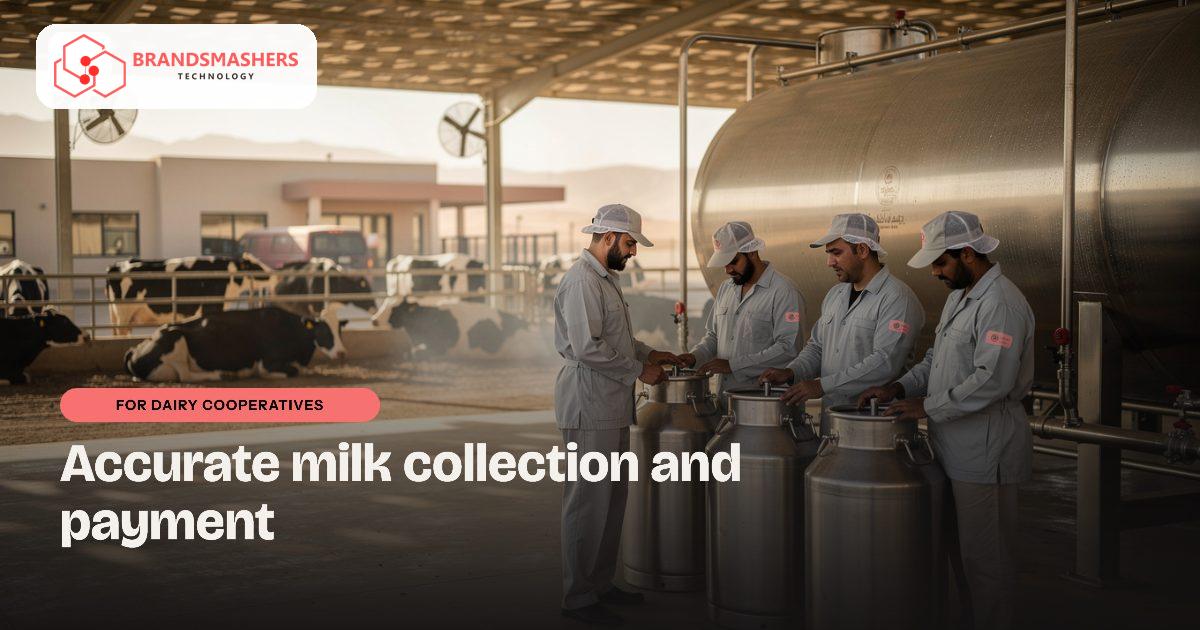
When several dairy farms or members supply one processing point, each delivery needs to be measured, tested and paid for fairly. If readings are written on paper and totalled later, a supplier will eventually question the figures, and your team will spend days proving them.
01.Who this is for
Dairy farms and supplier groups delivering milk to one processing point from areas such as Al Ain, Ras Al Khaimah and the outer parts of Abu Dhabi will recognise these signs. Readings are written on paper and entered later, payment cycles get questioned by suppliers, and a failed batch at the plant takes a long time to trace to a farm and collection round. If proving the figures to one supplier keeps your team busier than collecting the milk, records need to be captured at the source.
02.Why collection records go wrong
Milk is collected daily, often in more than one round, from farms in places such as Al Ain, Ras Al Khaimah and Abu Dhabi’s outer areas. Each delivery has a quantity and a quality result, and payment follows an agreed cycle. When these are noted by hand and entered later, small errors multiply.
Quality problems show up late too. If a batch fails a check at the plant, tracing it back to the supplier and the collection round is slow when records are not linked.
03.What a better system looks like
Capture data at the point of collection.
- A supplier register with farm, route and payment details.
- Entry of quantity and quality readings per delivery, ideally from the testing equipment where possible.
- Pricing applied from your own rate rules, consistently and automatically.
- Payment statements for each cycle, with deductions for feed, advances or other agreed items.
- Batch and route records so every lot can be traced to its source.
Statements can be produced in English and Arabic. Invoices should flow into your accounting tool, such as Zoho or Odoo, with 5% VAT applied only where it applies; check that with your adviser, along with current e-invoicing dates in 2026 and 2027.
04.How an AI add-on helps
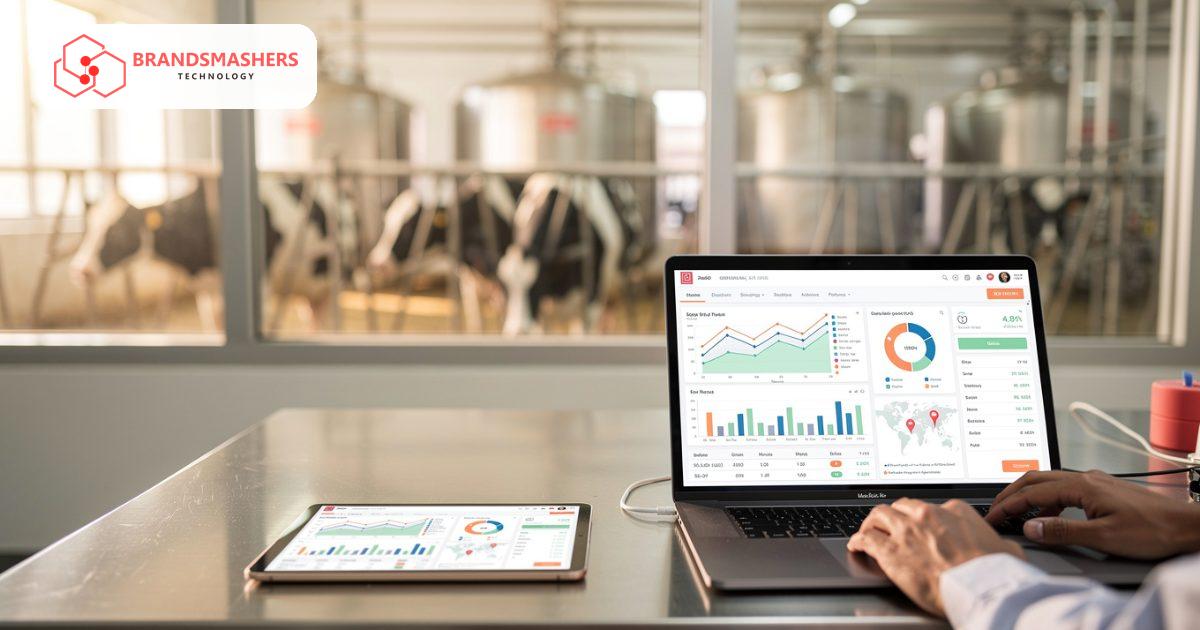
Quality alerts compare each reading against the usual pattern for that supplier or route and flag unusual results, such as a sudden change in a key measure or repeated low readings. This lets your team re-test or check the equipment before a dispute grows. An alert is a prompt to look closer; people decide what it means.
05.What to check before buying any software
- Can it work when connectivity is weak at collection points?
- Does it use your own pricing and deduction rules and allow changes?
- Can it take readings from your testing devices, or at least accept them easily?
- Where is data hosted, and can it stay within the UAE if required?
- Can you export records for audits and for your own analysis?
06.How a first version comes together
For a UAE dairy operation, the first version moves recording to the point of collection.
- 01Ride along on a collection round with drivers and plant staff to see where quantity and quality readings are written and retyped.
- 02Agree first screens for the supplier register, per-delivery readings and pricing from your own rate rules.
- 03Test entry at collection points with weak connectivity, and try taking readings directly from the testing equipment.
- 04Add cycle payment statements with agreed deductions, English and Arabic statements and invoice flow into Zoho or Odoo.
- 05Link batch and route records so lots can be traced, then add quality alerts for unusual readings by supplier or route.
07.Questions buyers ask
- What does dairy farm management software in the UAE need to capture?
- It needs to capture quantity and quality readings for every delivery, at the point of collection, against a supplier register with farm and route details. Your rate rules are applied automatically, and payment statements follow each cycle. Batch and route records then let any lot be traced to its source.
- Can it take readings straight from our testing devices?
- Where possible, yes, and that is the better option because it removes retyping. If a device cannot connect, the system should at least accept its readings quickly and clearly. Share details of the testing equipment you use during mapping, so the team can check what each device allows.
- How is VAT handled on supplier invoices?
- VAT is applied only where it applies, and that should be confirmed with your adviser. Once the treatment is clear, invoices flow into your accounting tool, such as Zoho or Odoo, following those rules consistently. The system keeps the figures tidy; it does not make the tax decision for you.
- Can our data stay within the UAE?
- UAE hosting can be discussed if you require it, and it is best decided before the build starts. You should also be able to export your records for audits and your own analysis at any time. Brandsmashers works with UAE businesses remotely, so points like these are agreed in writing during early discussions.
Next step: If milk collection and supplier payments still depend on paper and sheets, talk to Brandsmashers about your workflow and we can look at a system suited to your operation: brandsmashers.com/contact
NEXT STEP
Need help with this?
KEEP READING
More from the blog.
- FOR MANDI TRADERS AND COMMISSION AGENTS
Clear Buyer and Seller Accounts for Wholesale Produce Traders
READ ARTICLE - FOR AGRI AGGREGATORS
Plan Pickups and Payouts for Growers Who Supply You
READ ARTICLE - FOR MANDI TRADERS AND COMMISSION AGENTS
A Digital Ledger for Mandi Traders and Commission Agents
READ ARTICLE