Catering Quotes and Event Orders Without the Late-Night WhatsApp Chaos
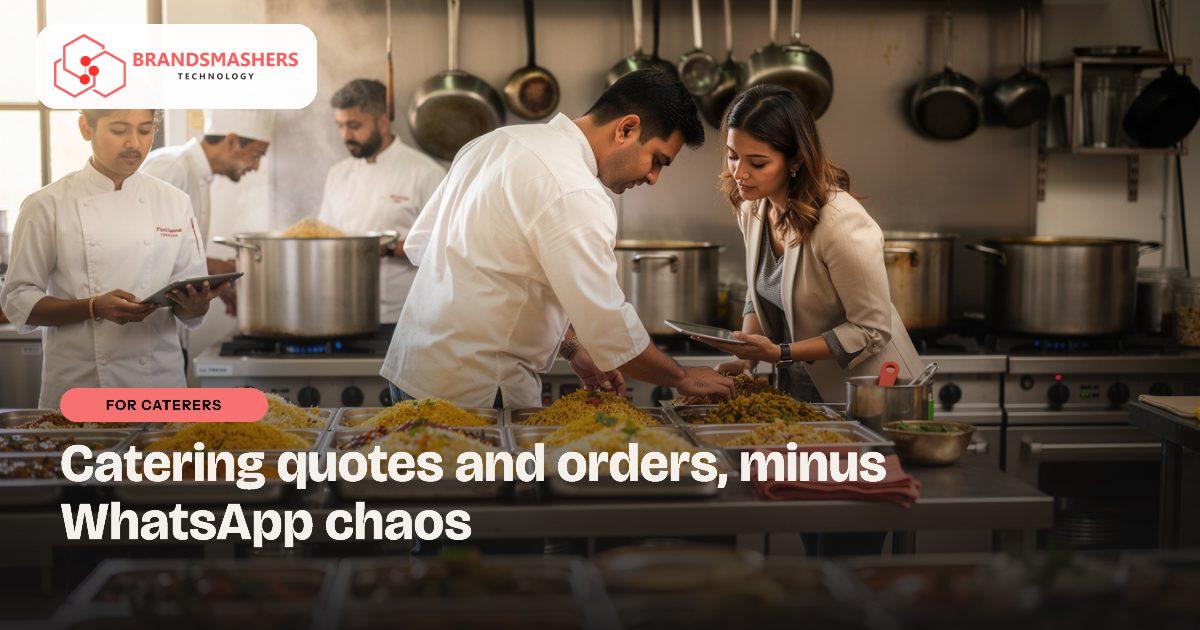
Every caterer knows the feeling: a client changes the guest count on WhatsApp the night before the event, and you are still working from a quote typed three days ago. When the quote, the kitchen order and the grocery list live in different places, something gets missed. Usually it is quantity, and the cost lands on you.
01.Who this is for
This is for caterers who handle weddings, family functions and corporate lunches, and who still build every quote by hand from an Excel price list. You have probably outgrown the current way of working if the kitchen sheet and the grocery list often disagree with the final quote, if guest counts change on WhatsApp late at night and nobody updates every copy, or if you only learn about a shortfall at the venue. Advances noted in a diary and supplier dues kept in memory are another clear sign.
02.Why quotes and orders drift apart
Most catering businesses in Bhopal, Indore and across Madhya Pradesh start with a price list in Excel and a phone full of chats. A quote is built by hand for each enquiry, then copied again into a kitchen sheet, then again into a purchase list for the vegetable and grocery suppliers. Each copy is a chance for a mistake.
Changes make it worse. A revised menu, a Jain-only counter or an extra 50 guests rarely reach every sheet. The kitchen cooks for the old number, and you find out at the venue.
03.What a better system looks like
A good catering system keeps one record per event and builds everything else from it.
- A menu and rate master, so quotes use the same item costs every time.
- A quote that turns into a confirmed order with one click, with a clear version history of changes.
- Automatic kitchen sheets and purchase lists calculated from the final menu and guest count.
- Advance and balance payment tracking, with GST invoices that match your accounts.
- Simple supplier records, so you can see what you ordered, what arrived and what you owe.
Keep the screens in Hindi or English as your team prefers, and let staff update event details from a phone, since many of them already work from WhatsApp.
04.How an AI add-on helps
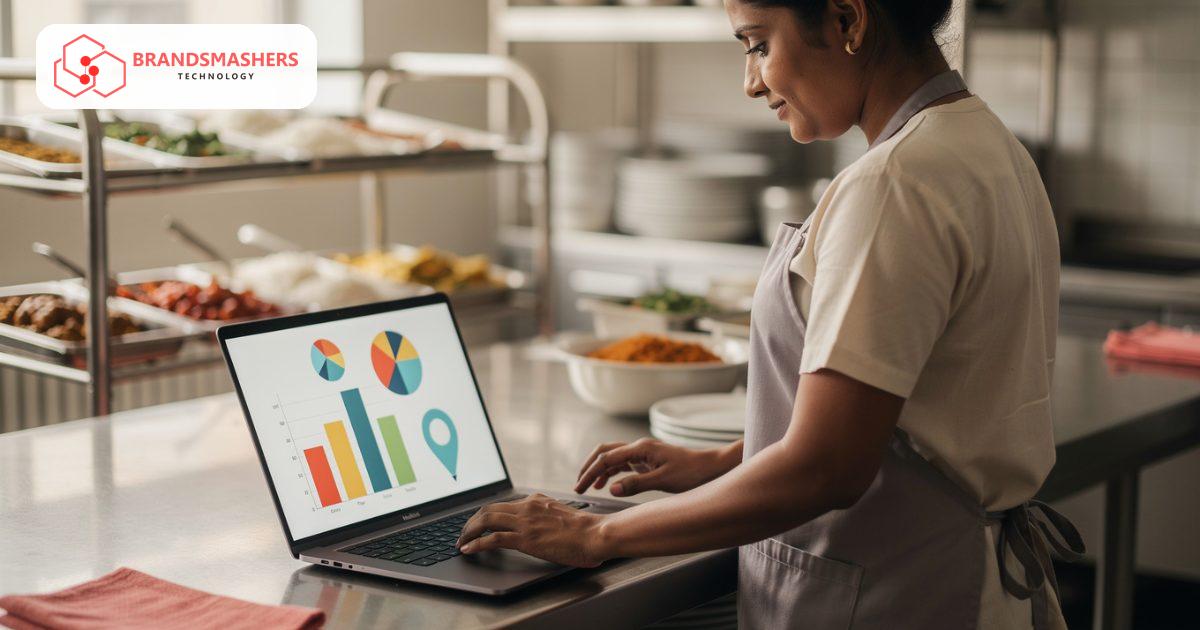
A quantity estimator can suggest how much of each item to prepare based on guest count, menu mix and your own past events. It does not replace the head cook’s judgement. It gives a first draft of the purchase list so that you start from a sensible number instead of a guess, and your team adjusts it. Over time, as you record actual leftovers and shortfalls, the suggestions improve.
05.What to check before buying any software
- Can it handle per-plate and per-kg pricing, and live changes after confirmation?
- Does it export to Tally, Busy or Zoho Books, or at least produce clean GST-ready invoices?
- Can your kitchen staff use it on a basic phone without training for days?
- Who owns your menu, rate and customer data if you stop using it?
- Can it be changed when your business changes, rather than forcing you into fixed screens?
06.How a first version comes together
A first version for a catering business grows out of the event record your team already keeps in their heads.
- 01Sit with the owner, the person who prepares quotes and the head cook to map how an enquiry becomes a menu, a kitchen sheet and a purchase list today.
- 02Agree a small first version: the menu and rate master, the event record and a quote that turns into a confirmed order.
- 03Load your real Excel price list and a few recent events, then let the team test quotes, changes and kitchen sheets against what actually happened.
- 04Run the next few enquiries through the system before adding supplier records and advance and balance tracking with GST invoices.
- 05Add the quantity estimator once staff record actual leftovers and shortfalls, so its suggestions draw on your own past events.
07.Questions buyers ask
- What should catering order management software in India include for a small caterer?
- It should hold one record per event and build the quote, kitchen sheet and purchase list from it. Around that you want a menu and rate master, advance and balance tracking, GST invoices that match your accounts and simple supplier records. Anything beyond that can wait until the basics are being used every day.
- Can it handle a guest count change the night before the event?
- Yes, that is the main reason to keep one event record. When the count or menu changes, the kitchen sheet and purchase list are recalculated from the final figures, and the version history shows who changed what. Your team no longer has to remember to update three separate sheets after a late WhatsApp message.
- Can we use our existing Excel price list?
- Usually, yes. Your current price list becomes the starting point for the menu and rate master, after a clean-up of duplicate items and old rates. Per-plate and per-kg pricing can both be set up. Recent events can also be brought in, so quotes and the quantity estimator start from your own history.
- Will our kitchen staff need training, and can they use phones?
- They will need a short walkthrough, not days of training. Screens can be in Hindi or English as your team prefers, and staff can update event details from a phone, much as they already do on WhatsApp. Building and testing with your real cooks and helpers is how the screens stay simple enough for a busy kitchen.
Next step: If your quotes, kitchen orders and purchases still live in separate sheets, talk to Brandsmashers about your workflow and we can map what a custom system could look like: brandsmashers.com/contact
NEXT STEP
Need help with this?
KEEP READING