Dispatch and trip logs for ambulance services in India
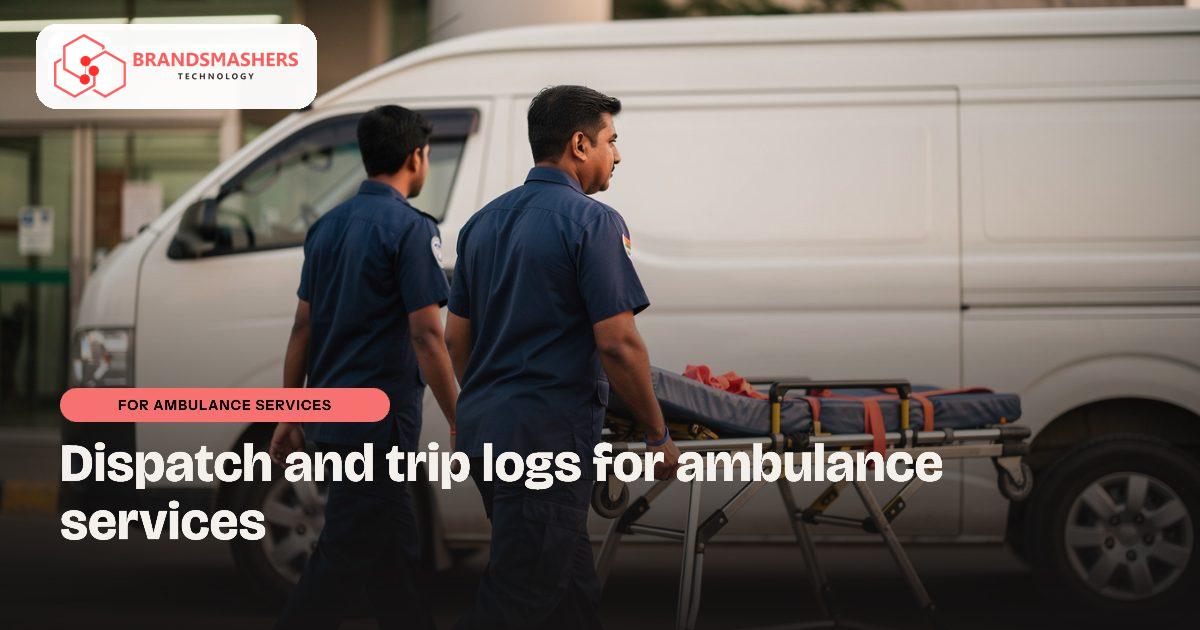
A private ambulance service in a Tier-2 city runs on phone calls, quick decisions and handwritten logs, and the busiest hour is exactly when the paperwork slips. Calls come in by phone, vehicles are assigned by who picks up, and trip logs are written afterwards from memory. Brandsmashers Tech is a Bhopal software team that builds custom systems fast with AI-assisted development.
01.Who this is for
This is for private ambulance services in India's smaller cities that take calls by phone and run a mix of vehicles for hospitals, corporates and event organisers. The signs show during the busiest hour. Whoever picks up the phone assigns a vehicle, and nobody else knows which crew went where. Trip logs are written afterwards from memory, sometimes the next day. Billing for a hospital tie-up waits until someone finds the right log and the right rate card, and questions from clients are hard to answer.
02.Where the daily friction sits
Calls come in by phone, vehicles are assigned by who picks up, and trip logs are written afterwards from memory. Most teams cover this with experience, which works until the one person who holds it all in their head is away. Spreadsheets and chat groups help, yet nothing is enforced or reconciled, and the owner finds out late.
03.What we build
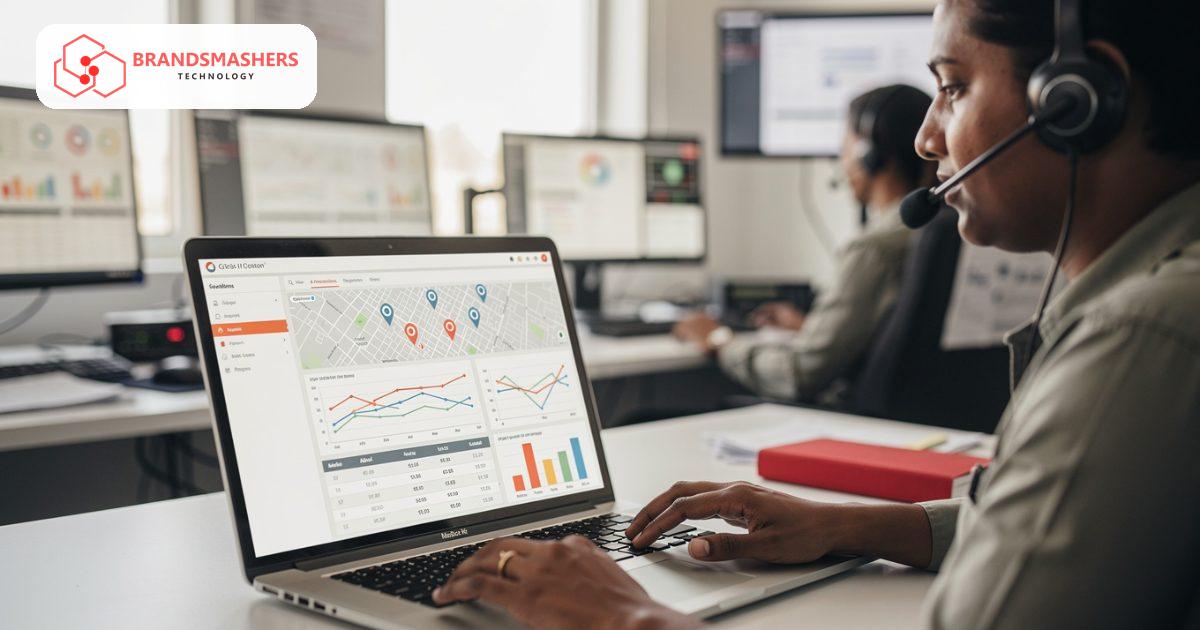
Dispatch, tracking and billing. A coordinator logs the call, assigns the nearest suitable vehicle, and the crew updates trip status from a phone. Trip logs are created as the job happens, and billing comes from them. Every service has its own vehicle types, tie-ups and billing rules, so this is a custom build. The first version is deliberately small and covers the part of your day that hurts most.
04.The local picture
Indian services often work with hospitals, corporates and event organisers on different billing terms. Billing in rupees is generated from trip logs, and corporate or hospital tie-ups can have their own rate cards. Crews use a simple phone app that works on modest connections. Patient data is sensitive, so access is restricted by role. We build the software; medical and regulatory questions belong to your professionals.
05.Where AI helps, and where it stops
Call triage support. The system structures call details and prompts the coordinator with the questions to ask. It supports the coordinator and gives no medical advice; clinical decisions stay with trained people. AI is an add-on to a sound system, not a replacement for it. Every output is reviewed by your people before it matters, and you can switch the feature off without losing the core system.
06.How a first version comes together
A first version for an ambulance service is built around the call, because the trip log and the bill should both start the moment it comes in.
- 01We sit with your coordinators to see how calls are taken, how a vehicle is chosen and how crews report back today.
- 02We agree the smallest useful scope, usually call logging, vehicle assignment and trip status updated by the crew from a phone.
- 03Coordinators and crews test it on real trips, and we make sure the crew app works on modest connections.
- 04Billing in rupees from trip logs, with separate rate cards for hospital and corporate tie-ups, is added once logs are complete.
- 05Call triage prompts for the coordinator come last, with clinical decisions staying with trained people.
07.Questions buyers ask
- What does ambulance dispatch software in India actually record?
- It records the call, the vehicle assigned, the crew and each status change as the trip happens. That means the trip log is created during the job rather than written up from memory. Billing then comes from the same log, so nothing has to be reconstructed later. Coordinators can see at a glance which vehicles are busy and which are free.
- Can different hospitals and corporates have their own rates?
- Yes. Indian services often work with hospitals, corporates and event organisers on different terms, so each tie-up can have its own rate card. Bills in rupees are generated from trip logs using the right card. Every service has its own rules, which is why this is a custom build. Rate cards are agreed with you during the first stage of the build.
- How is patient information kept private?
- Access is restricted by role. Patient data is sensitive, so coordinators, crews and billing staff each see only what their job needs. We build the software and the access controls, while medical and regulatory questions belong to your professionals, who should guide what is recorded. Crew members see trip details, not the full history of every patient.
- Does the AI give medical advice during a call?
- No. Call triage support structures the call details and prompts the coordinator with the questions to ask. It gives no medical advice, and clinical decisions stay with trained people. The feature is an add-on that can be switched off without affecting dispatch, trip logs or billing. Coordinators remain fully in charge of the call from start to finish.
Next step: Tell us what your team does by hand today and we will tell you what a first version could cover. Talk to Brandsmashers Tech
NEXT STEP
Need help with this?
KEEP READING