Dispatch and trip logs for ambulance services in the UAE
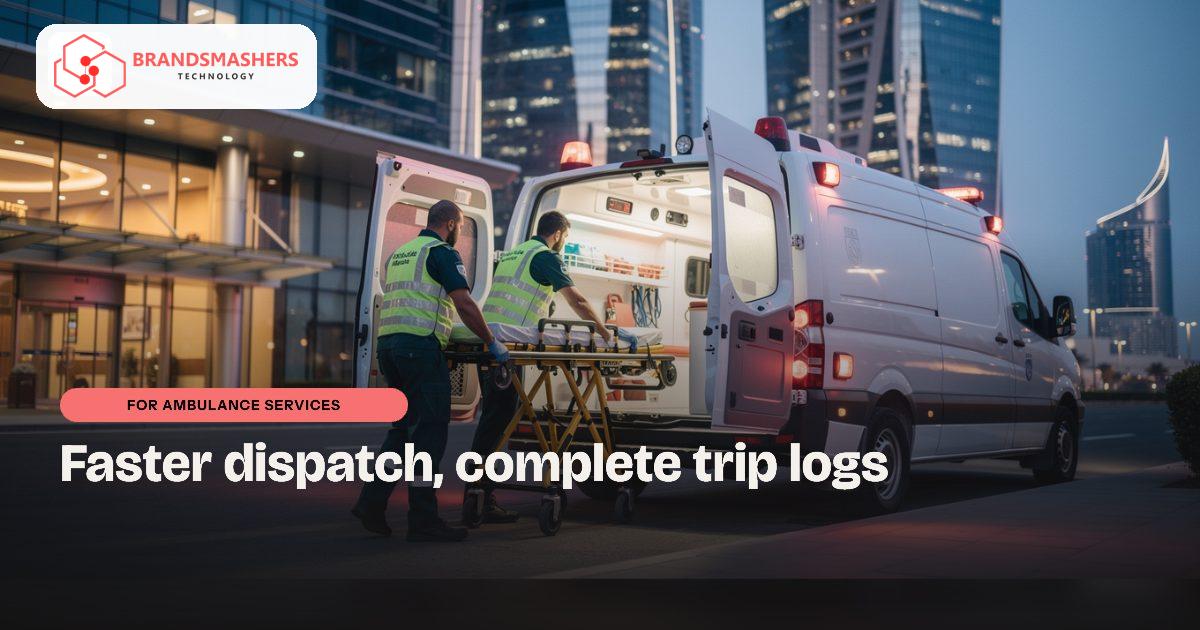
Private ambulance and patient transport services in Dubai and Abu Dhabi work alongside hospitals, insurers and corporate clients, with strict expectations on records. Calls come in by phone, vehicles are assigned by who picks up, and trip logs are written afterwards from memory. Brandsmashers Tech is a Bhopal-based software team that builds custom systems fast with AI-assisted development, working with UAE businesses remotely.
01.Who this is for
This is for private ambulance and patient transport services in Dubai and Abu Dhabi that work with hospitals, insurers and corporate clients. Records are expected to be exact, yet the signs of strain are obvious. A call comes in and whichever coordinator answers sends whichever crew they can reach. Trip details are written up after the shift. Insurer and hospital bills wait while someone checks which rate card applies, and gaps in the log are hard to explain when a client asks.
02.Where the daily friction sits
Calls come in by phone, vehicles are assigned by who picks up, and trip logs are written afterwards from memory. Most teams cover this with experience, which works until the one person who holds it all in their head is away. Spreadsheets and chat groups help, yet nothing is enforced or reconciled, and the owner finds out late.
03.What we build
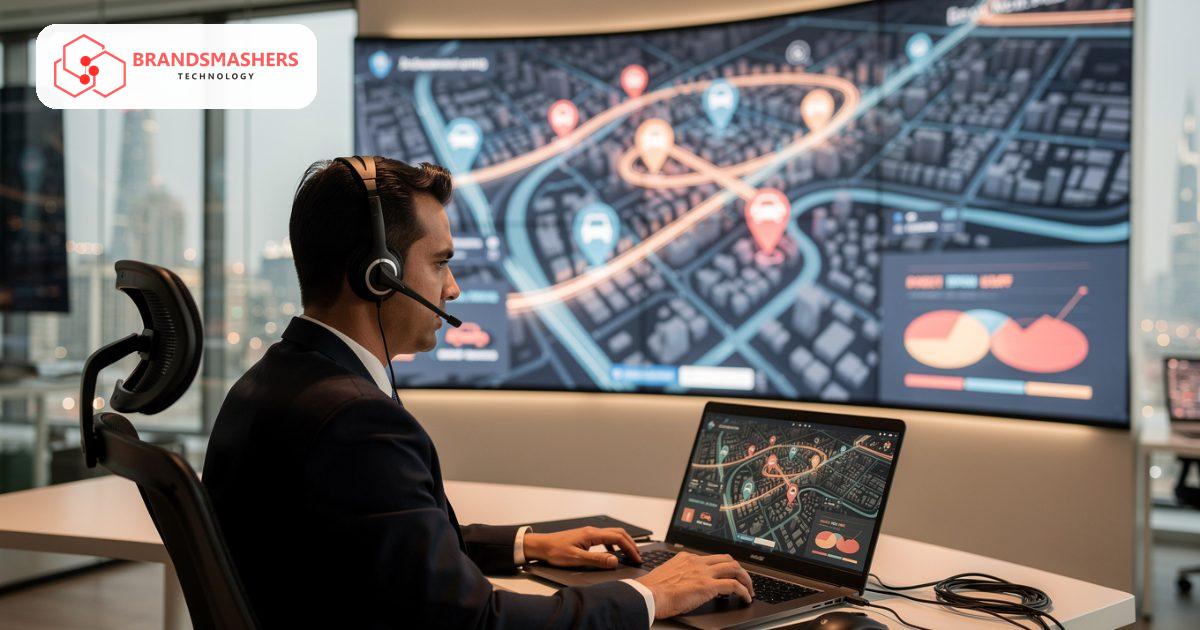
Dispatch, tracking and billing. A coordinator logs the call, assigns the nearest suitable vehicle, and the crew updates trip status from a phone. Trip logs are created as the job happens, and billing comes from them. Every service has its own vehicle types, tie-ups and billing rules, so this is a custom build. The first version is deliberately small and covers the part of your day that hurts most.
04.The local picture
Dispatch screens and crew apps can work in Arabic or English. Billing in AED with VAT lines comes from trip logs, and each hospital or insurer tie-up can carry its own rate card. Patient data is sensitive, so access is restricted by role. E-invoicing is phased across 2026-2027, so output is built to link to an accredited provider. Medical and regulatory questions stay with your professionals.
05.Where AI helps, and where it stops
Call triage support. The system structures call details and prompts the coordinator with the questions to ask. It supports the coordinator and gives no medical advice; clinical decisions stay with trained people. AI is an add-on to a sound system, not a replacement for it. Every output is reviewed by your people before it matters, and you can switch the feature off without losing the core system.
06.How a first version comes together
A first version for a UAE ambulance service creates the trip log during the job, so records and bills come from the same place.
- 01We map remotely, with your coordinators and crew leads, how calls arrive, how vehicles are assigned and how trips are recorded now.
- 02We agree a small first scope, usually call logging, assignment of the nearest suitable vehicle and crew status updates from a phone.
- 03Crews test the app in Arabic or English on real trips, and we refine the steps so updates are quick between jobs.
- 04AED billing with VAT lines from trip logs follows, with a separate rate card for each hospital or insurer tie-up.
- 05Call triage prompts are added last to support coordinators, with clinical decisions left to trained people.
07.Questions buyers ask
- What should ambulance dispatch software in the UAE record for insurers and hospitals?
- It should record each call, the vehicle and crew assigned, and every status change as it happens. The trip log is then complete when the job ends. Bills come from that log using the right rate card, so you are not reconstructing trips when an insurer or hospital asks. Crews update status from a phone, so the coordinator does not have to chase them.
- Who can see patient details?
- Access is restricted by role, because patient data is sensitive. Coordinators, crews and billing staff each see only what their work needs. We build the software and the controls, while medical and regulatory questions stay with your professionals, who decide what should be recorded. Access rules are agreed with you before the build begins.
- Will invoices work with e-invoicing?
- Billing in AED with VAT lines comes straight from trip logs, and output is built to link to an accredited e-invoicing provider as the phases arrive. Your tax adviser should confirm your obligations, since we build the system rather than give tax guidance on how it applies. Each insurer or hospital tie-up keeps its own rate card in the billing.
- Does the triage support make clinical decisions?
- No. It structures the call details and prompts the coordinator with questions to ask. Medical judgement is never handed to the software; it stays with trained people on your team. It is an add-on that can be switched off without affecting dispatch, trip logs or billing. Coordinators keep full control of every call and every vehicle sent.
Next step: Tell us what your team does by hand today and we will tell you what a first version could cover. Talk to Brandsmashers Tech
NEXT STEP
Need help with this?
KEEP READING