
Temperature logs and compliance reporting for cold chain operators in India
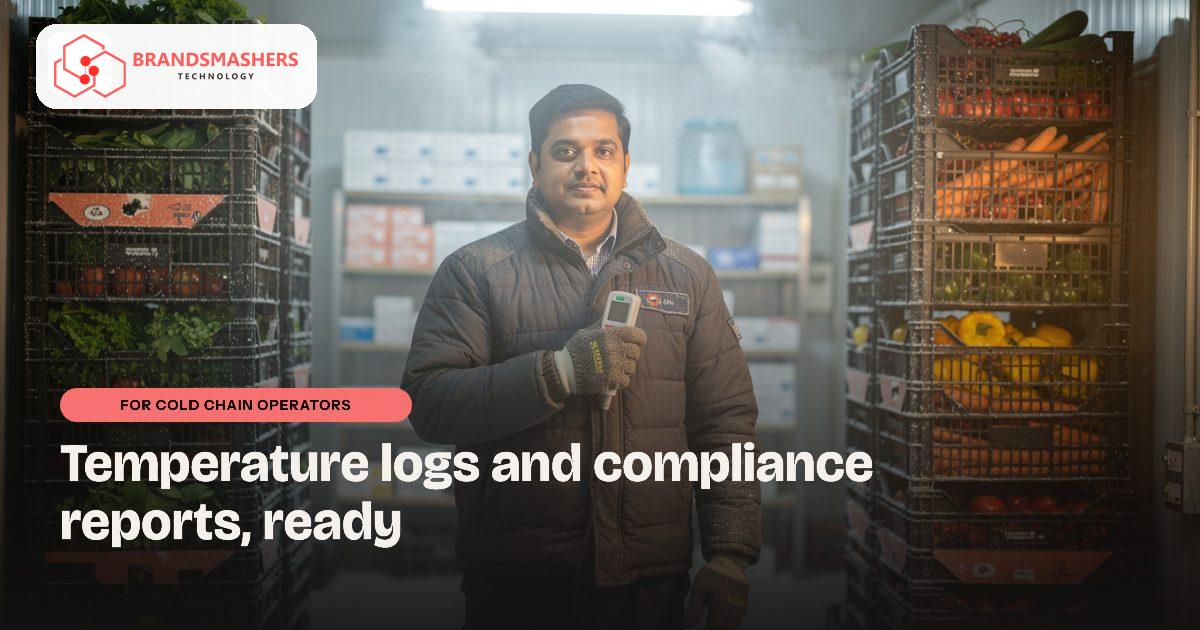
Cold storage and reefer transport in India move vaccines, dairy, produce and frozen food, and a single warm night can cost a client their stock. Temperature logs are kept on paper or in separate sensor apps, and assembling a compliance report means stitching them together by hand. Brandsmashers Tech is a Bhopal software team that builds custom systems fast with AI-assisted development.
01.Who this is for
This is for cold storage and reefer transport operators in India who move vaccines, dairy, produce or frozen food for clients. The signs of strain are easy to spot. Temperature readings sit on paper sheets in one chamber and in a separate sensor app in another. A power cut at night is noticed in the morning. When a client or auditor asks for records, someone spends a whole day stitching logs together by hand. Billing for chamber space or reefer trips is kept in yet another register.
02.Where the daily friction sits
Temperature logs are kept on paper or in separate sensor apps, and assembling a compliance report means stitching them together by hand. Most teams cover this with experience, which works until the one person who holds it all in their head is away. Spreadsheets and chat groups help, yet nothing is enforced or reconciled, and the owner finds out late.
03.What we build
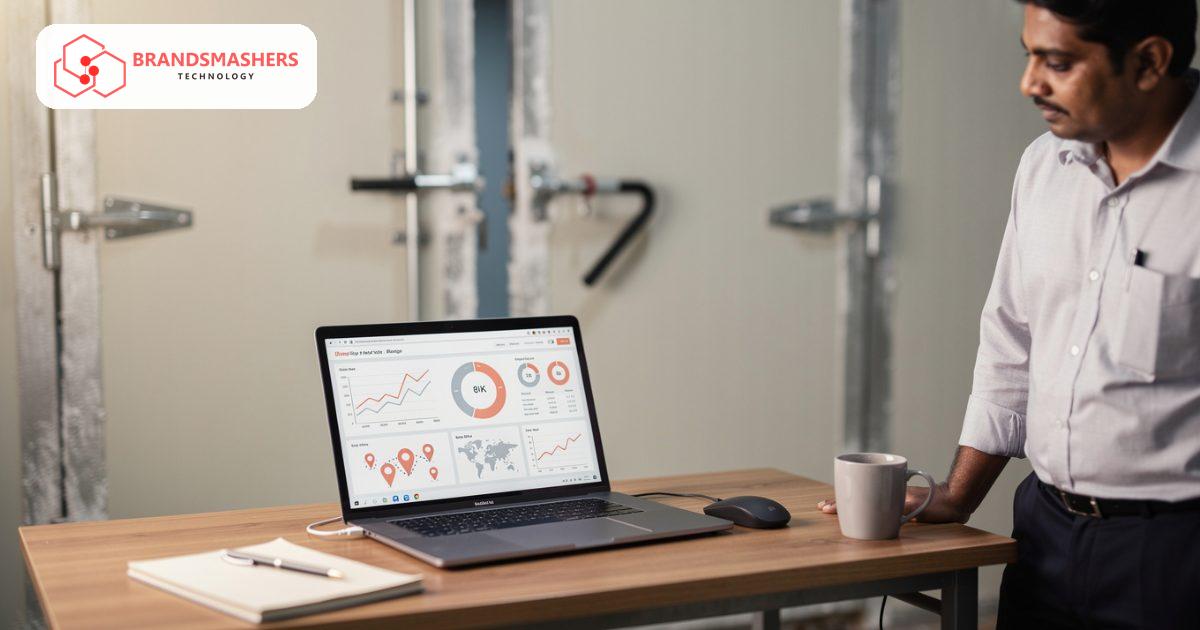
A temperature dashboard with alerts and compliance reports. Readings from your sensors or loggers land in one view per vehicle, chamber or site, thresholds trigger alerts to the right person, and a report for any period is one click away. We integrate with the hardware you already use where it exposes the data. Hardware, products and audit expectations vary a lot between operators, so this is a custom build. We do not provide compliance advice; your quality team defines what the report must contain. The first version is deliberately small and covers the part of your day that hurts most.
04.The local picture
Indian operators run in heat and with uneven power, which makes alerts more important than reports. Alerts go by SMS or WhatsApp to the supervisor, not only to a dashboard nobody watches at night. Rupee billing for chamber space or reefer trips can sit in the same system. Customers and auditors ask for records, so we make sure the history is complete and exportable.
05.Where AI helps, and where it stops
Anomaly alerts. Beyond fixed thresholds, the system flags patterns that look wrong, such as a slow drift or a door left open. These are early warnings for your team to check, not verdicts. AI is an add-on to a sound system, not a replacement for it. Every output is reviewed by your people before it matters, and you can switch the feature off without losing the core system.
06.How a first version comes together
A first version for a cold chain operator starts with getting every reading into one place and making sure alerts reach a person.
- 01We map which sensors, loggers and paper sheets you use today, per vehicle, chamber and site, and who is expected to react to a problem.
- 02We agree a small first version, usually one dashboard for the readings your hardware already exposes, plus alerts by SMS or WhatsApp to the supervisor.
- 03Your night supervisor and quality team test the alerts in real conditions, and we adjust thresholds and recipients with them.
- 04Exportable reports for any period follow, with the contents defined by your quality team rather than by us.
- 05Rupee billing for chamber space or reefer trips and anomaly alerts are added once the core readings and alerts are relied on.
07.Questions buyers ask
- Can cold chain monitoring software in India work with the sensors we already have?
- Often, yes. We integrate with the hardware you already use where it exposes the data, so readings from your sensors or loggers land in one view per vehicle, chamber or site. If a device does not share its data, we will tell you plainly during the mapping stage.
- What happens when the power goes off at night?
- Alerts matter more than reports when operators run in heat with uneven power. Thresholds trigger an alert by SMS or WhatsApp to the supervisor, not only a warning on a dashboard nobody watches at night. Who gets alerted, and for which chamber or vehicle, is set up with your team.
- Will the reports satisfy our auditors?
- We make sure the history is complete and exportable, but we do not provide compliance advice. Your quality team defines what each report must contain, and we build it to that specification. Customers and auditors can then be given records for any period without stitching logs together by hand.
- How do anomaly alerts differ from normal threshold alerts?
- Threshold alerts fire when a reading crosses a fixed limit. Anomaly alerts look for patterns that seem wrong, such as a slow drift or a door left open. They are early warnings for your team to check, not verdicts, and they can be switched off without losing the core dashboard.
Next step: Tell us what your team does by hand today and we will tell you what a first version could cover. Talk to Brandsmashers Tech
NEXT STEP
Need help with this?
KEEP READING
More from the blog.
- FOR COURIER FRANCHISEES
COD reconciliation and rider payouts for courier franchisees in India
READ ARTICLE - FOR CAR RENTAL AND FLEET LEASING
Bookings, damages and maintenance for car rental and leasing firms in India
READ ARTICLE - FOR COURIER FRANCHISEES

COD reconciliation and rider payouts for courier franchisees in the UAE
READ ARTICLE