CASE STUDY · HR TECH / PEOPLE ANALYTICS PLATFORMS
Building a people-analytics dashboard for a 2,000-employee enterprise.
- 3 monthsAttrition risk visible about 3 months earlier
01 · PROJECT OVERVIEW
The client and the brief.
An anonymised 2,000-employee enterprise. Name withheld under confidentiality.
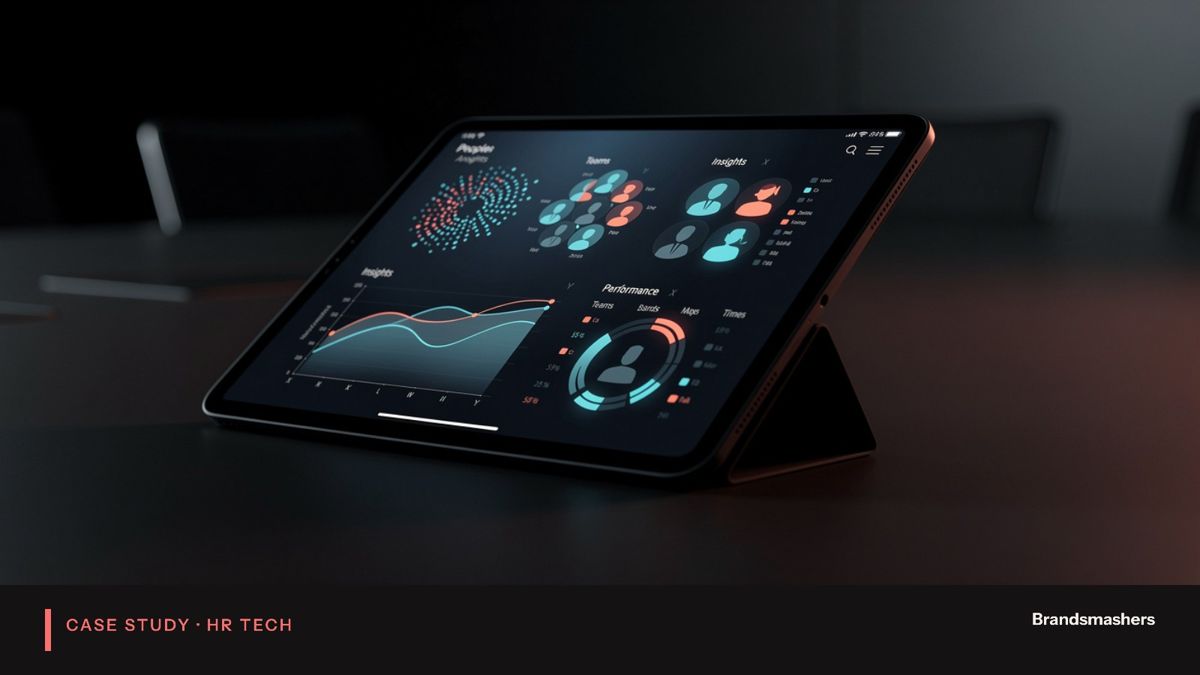
System integration and dashboards for headcount, attrition and hiring funnel, with strict access controls. Data from the three systems is combined and reconciled. HR and business leaders see trends by team, location and tenure band, and each role sees only what it is allowed to.
- 1HR data was spread across 3 systems: the core HR record, the applicant tracker and a separate tool for performance and engagement.
- 2Each held part of the picture and each defined headcount a little differently.
- 3Monthly reports were assembled by hand from exports and took days.
- 4By the time leadership saw attrition figures, they were out of date, and teams with rising exits were noticed late.
- 5HR also worried that any central view would expose sensitive information to too many people.
02 · WHAT WENT WRONG
What went wrong, and how we fixed it.
Every engagement hits problems. These were the ones that mattered here, and what we changed so they did not come back.
- PROBLEM 01After the first dashboard release, some managers of small teams could work out who had left or been flagged, even with names hidden
A team of five with one exit effectively identified the person. We introduced minimum group sizes, hid breakdowns below the threshold, and combined small groups into larger ones in views. We then ran a review of every filter combination to look for similar leaks.
- PROBLEM 02This slowed the release by a short period and became a standing check for new views
- PROBLEM 03A second hurdle was data quality
Two systems recorded the same leaver with different dates, and job titles varied for the same role. Attrition counts disagreed by a small margin month to month. We added matching rules on employee identifier, a title mapping table owned by HR, and a data quality page listing open mismatches.
- PROBLEM 04HR now clears that list monthly, and trust in the figures rose
03 · THE PROCESS
How we ran it.
We began with a two-week discovery with HR, finance and the legal team. The first output was a definitions document: what counts as an employee, a leaver, a regretted exit and a hire. We then built integrations one system at a time, checking totals against figures HR already trusted. Dashboards followed in stages, starting with headcount, then attrition, then the hiring funnel. HR reviewed every release, and a small group of business leaders joined for the final stages. We held a fortnightly review with the HR head and a privacy review before each new data field went live.
- 01Step 1
We began with a two-week discovery with HR, finance and the legal team.
- 02Step 2
The first output was a definitions document: what counts as an employee, a leaver, a regretted exit and a hire.
- 03Step 3
We then built integrations one system at a time, checking totals against figures HR already trusted.
- 04Step 4
Dashboards followed in stages, starting with headcount, then attrition, then the hiring funnel.
- 05Step 5
HR reviewed every release, and a small group of business leaders joined for the final stages.
- 06Step 6
We held a fortnightly review with the HR head and a privacy review before each new data field went live.
04 · RESULTS
What changed.
Measured against the way the work ran before the engagement began.
- NOW 01
HR no longer builds reports by hand.
- NOW 02
Leaders review headcount and attrition each month from the same numbers.
- NOW 03
Teams with rising exits get a conversation early, and HR examines the reasons before acting.
- NOW 04
New data fields pass through a privacy review before they appear.
- 3 months
Attrition risk visible about 3 months earlier
HR reporting time down from days to hours
05 · WHAT WE BUILT
How it works.
- Each source is connected through its API or scheduled export into a staging area, then mapped to a common people model with stable employee identifiers.
- Reconciliation jobs compare totals across systems and flag mismatches for HR.
- Access is role-based and row-level: business leaders see their own organisation only, and small groups are suppressed, so individuals cannot be inferred.
- Sensitive fields such as pay or health data are excluded unless a specific need is approved.
- Every view and export is logged.
- Attrition-risk indicators combine simple factors, such as tenure patterns, internal moves and hiring lag, and are shown at team level for HR to examine, with the method documented.
06 · QUICK ANSWERS
The short version.
- What problem did the client have?
- HR data was spread across 3 systems: the core HR record, the applicant tracker and a separate tool for performance and engagement. Each held part of the picture and each defined headcount a little differently. Monthly reports were assembled by hand from exports and took days. By the time leadership saw attrition figures, they were out of date, and teams with rising exits were noticed late. HR also worried that any central view would expose sensitive information to too many people. The firm needed a trusted single view with tight control over access.
- What did Brandsmashers build?
- System integration and dashboards for headcount, attrition and hiring funnel, with strict access controls. Data from the three systems is combined and reconciled. HR and business leaders see trends by team, location and tenure band, and each role sees only what it is allowed to.
- How was the work run?
- We began with a two-week discovery with HR, finance and the legal team. The first output was a definitions document: what counts as an employee, a leaver, a regretted exit and a hire. We then built integrations one system at a time, checking totals against figures HR already trusted. Dashboards followed in stages, starting with headcount, then attrition, then the hiring funnel. HR reviewed every release, and a small group of business leaders joined for the final stages. We held a fortnightly review with the HR head and a privacy review before each new data field went live.
- What were the results?
- Attrition risk visible about 3 months earlier; HR reporting time down from days to hours.
YOUR TURN
Have a similar requirement?
Tell us what is stuck. We will come back with a plan and matched, pre-vetted engineers.