
Keeping Track of Members, Produce and Sales in Your FPO
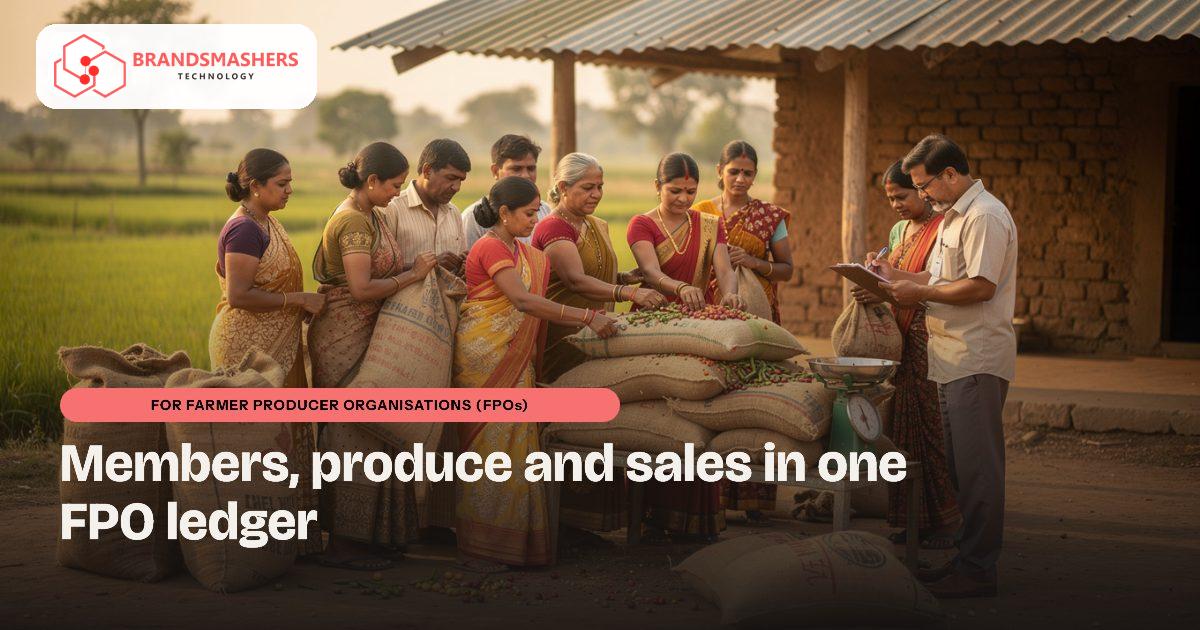
A farmer producer organisation lives on trust. A member wants to know exactly how much produce was received, at what rate, and when payment will come. When records sit in registers and spreadsheets, answering one member’s question can take half a day.
01.Who this is for
This is for farmer producer organisations with a small board, a few staff and a large membership, buying produce at more than one centre and selling to buyers on different terms. You have outgrown registers if answering one member's question about quantity, rate or payment takes far too long, if procurement and sales figures never quite match, or if reports for the board, bank or scheme officers take days to assemble. Entries written by hand and copied into Excel later are usually where the trouble starts.
02.Why FPO records become hard to manage
Many FPOs in Madhya Pradesh start with a small board, a few staff and hundreds of members. Produce comes in at different centres, grades and moisture levels differ, and sales to buyers happen on different terms. Everything is noted by hand and later copied to Excel.
The result is a gap between what was bought from members and what was sold to buyers. Reports for the board, banks or schemes then take days to put together, and small errors multiply.
03.What a better system looks like
A good FPO system is built around the member.
- A member register with land, crops, bank details and share or contribution records.
- Procurement entries at each centre, with quantity, grade, rate and a receipt to the farmer.
- Stock held, moved and sold, so you know what is in the godown at any time.
- Sales to buyers with invoices, GST where applicable, and payment follow-up.
- A member ledger showing produce supplied, payments made and amounts pending.
Screens should work in Hindi, and offline entry matters where mobile network is weak. Members can receive receipts and payment updates on WhatsApp.
04.How an AI add-on helps
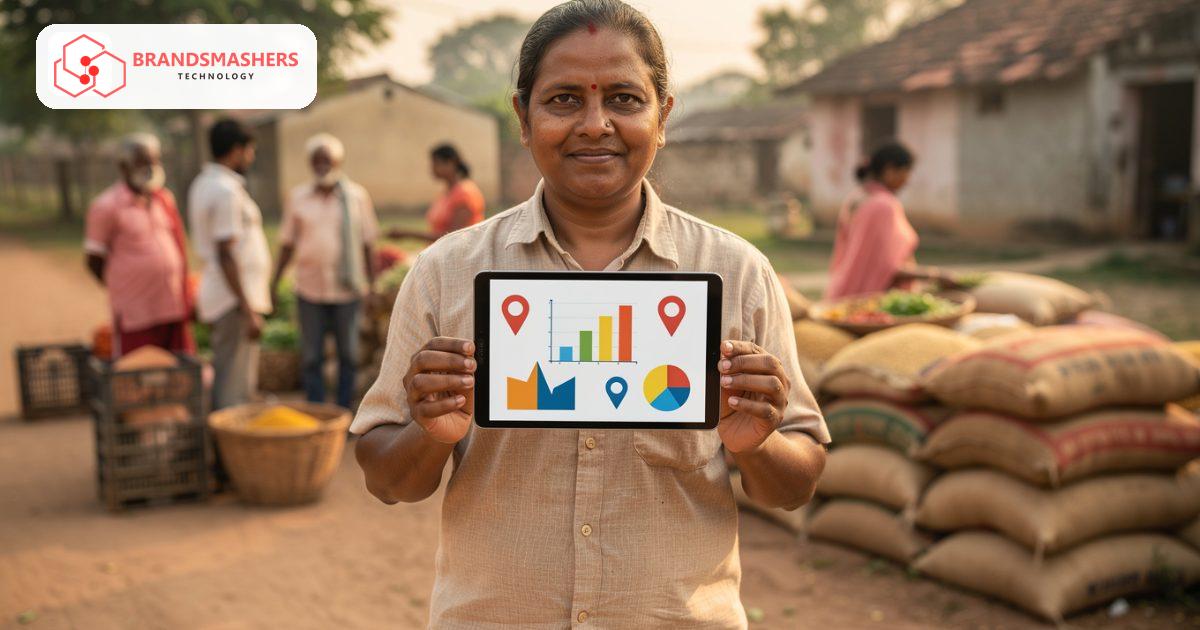
Price alerts can watch the rates you record and the market rates you choose to feed in, and tell your team when a crop’s price moves enough to change when to sell. This helps the manager decide, but the board still makes the call. The alerts are only as good as the rate data, so decide early which sources you will trust.
05.What to check before buying any software
- Does it work offline at collection centres and sync later?
- Is it usable in Hindi, by staff who are not comfortable with complex software?
- Can it produce the reports your board, bank or scheme officers ask for? Check their formats first.
- Who owns the member data, and how is access to it controlled?
- Can it grow with new crops, centres and buyers without a rebuild?
06.How a first version comes together
An FPO's first version is built around the member and the procurement entry, since every report depends on them.
- 01Visit a collection centre and the office to map how produce is weighed, graded, priced and recorded, with the manager, accountant and centre staff.
- 02Agree a first version with the member register, procurement entries with receipts and a member ledger showing amounts pending.
- 03Test offline entry in Hindi at one centre with real procurement, then check how it syncs once the network returns.
- 04Add godown stock, sales to buyers with invoices and GST where applicable, and WhatsApp receipts for members.
- 05Bring in price alerts after the board agrees which rate sources to trust, so the manager has a reliable prompt before deciding when to sell.
07.Questions buyers ask
- What should FPO management software include?
- It should start with a member register, procurement entries at each centre with a receipt to the farmer, and a member ledger showing produce supplied and payments pending. Godown stock and sales to buyers with invoices follow. With those in place, board and bank reports come from the same records instead of being rebuilt by hand.
- Does it work at centres with weak mobile network?
- It should. Offline entry lets centre staff record quantity, grade and rate without a signal, and the data syncs once the connection returns. Test this at your most remote centre before rollout, because a system that only works in the office will not be used where produce actually arrives.
- Can it produce the reports our bank and scheme officers ask for?
- It can, once you know their formats. Collect sample reports from your board, bank and scheme officers before the build starts, so the outputs match what they expect. Because procurement, stock and sales sit in one place, those reports are drawn from live records rather than copied from several registers.
- Who owns the member data?
- The FPO should own its member data, and that should be agreed in writing at the start. Access can be limited by role, so centre staff see only what they need. You should also be able to export the member register and ledgers at any time, which matters for audits and if you ever change systems.
Next step: If your member and procurement records are still in registers and sheets, talk to Brandsmashers about your workflow and we can explore a system built around your FPO: brandsmashers.com/contact
NEXT STEP
Need help with this?
KEEP READING
More from the blog.
- FOR MANDI TRADERS AND COMMISSION AGENTS
A Digital Ledger for Mandi Traders and Commission Agents
READ ARTICLE - FOR MANDI TRADERS AND COMMISSION AGENTS
Clear Buyer and Seller Accounts for Wholesale Produce Traders
READ ARTICLE - FOR DAIRY COOPERATIVES
Fair Milk Payments Start With Clean Collection Records
READ ARTICLE