
Member Records and Sales for Farmer Organisations Supplying the UAE
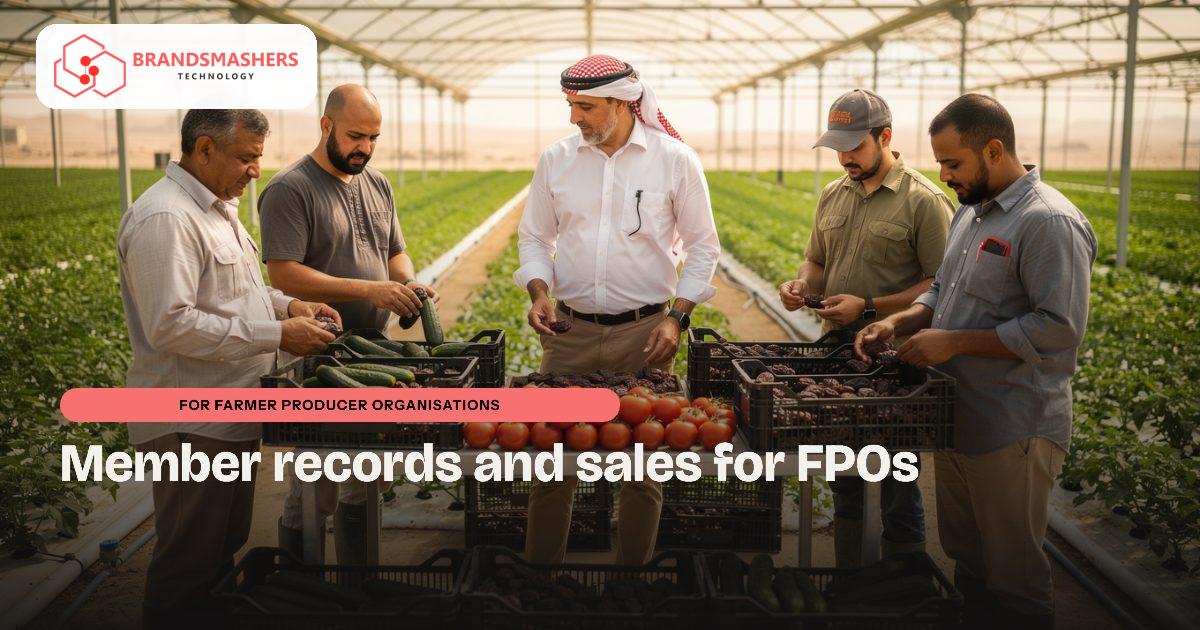
A farmer group that supplies produce to UAE buyers, whether dates, vegetables or other crops, has to prove quantity, quality and payment to every member and every buyer. When records sit in registers and spreadsheets, a simple question from a member or a buyer can take hours to answer.
01.Who this is for
Farmer groups and producer organisations that supply dates, vegetables or other crops to buyers in Dubai, Abu Dhabi and Sharjah are the audience for this. The strain shows when a member or buyer asks a simple question and the answer takes hours, when graded and weighed produce is sold in lots that cannot be traced back to members, and when the figures bought and sold do not line up. If buyer invoices in AED or another currency are still prepared by hand from sheets, the group has outgrown them.
02.Why records become hard to manage
A producer organisation may have many members, several collection points and buyers with different terms. Produce is graded and weighed, then sold in lots. Staff copy these entries into sheets, and gaps appear between what was bought from members and what was sold on.
Export and trade-facing paperwork makes it harder. Buyers in Dubai, Abu Dhabi and Sharjah expect clear invoices in AED or another agreed currency, with VAT shown correctly where it applies. What applies in your case is a question to check with your adviser.
03.What a better system looks like
Build around the member and the lot.
- A member register with land, crops and payment details.
- Procurement entries at each point with quantity, grade, rate and a receipt.
- Stock and lot tracking from collection to sale, so each buyer shipment can be traced back to members.
- Sales, invoices and payment follow-up for buyers, with currency handled clearly.
- Member statements showing produce supplied, payments made and balances.
Statements and buyer documents may need English and Arabic. If your buyers use Zoho or Odoo, clean exports of invoices and delivery data save them effort. E-invoicing is being phased in during 2026 and 2027, so ask your adviser what applies to your sales.
04.How an AI add-on helps
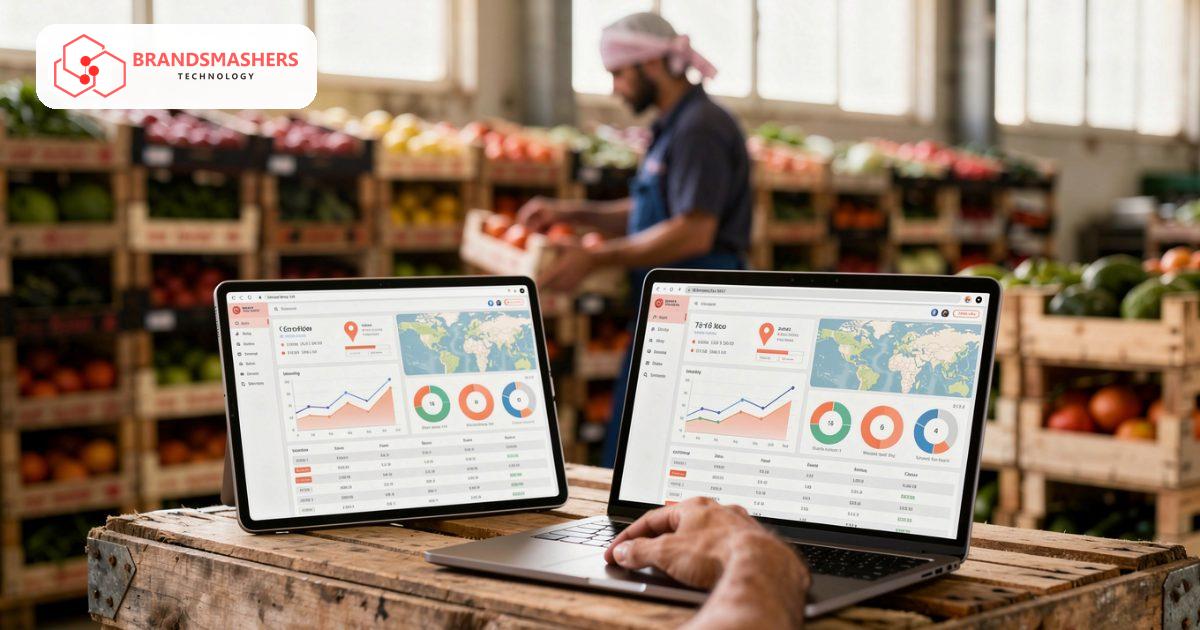
Price alerts watch the rates you record and the market sources you choose, and tell your team when a crop’s price moves past a limit you set. This helps the manager decide when to sell or hold a lot. It does not forecast markets, and the board still makes the decision. Decide in advance which price sources you trust.
05.What to check before buying any software
- Can it work offline at collection points and sync later?
- Can it trace a buyer shipment back to individual members?
- Can it produce buyer and bank documents in formats they accept?
- Where is your data stored, and who has access to member information?
- Can it grow with new crops, buyers and markets?
06.How a first version comes together
For a group supplying UAE buyers, the first version is built around the member and the lot.
- 01Map how produce moves from collection point to buyer shipment with the manager, the grading staff and whoever prepares buyer invoices.
- 02Agree first screens for the member register, procurement entries with receipts, and lot tracking from collection to sale.
- 03Test at a collection point with weak connectivity, then trace a real shipment back to its members to check the records hold up.
- 04Add buyer sales and invoices with currency handled clearly, member statements in English and Arabic, and exports for buyers using Zoho or Odoo.
- 05Set up price alerts with limits the board chooses, once it has decided which market sources to trust.
07.Questions buyers ask
- How does farmer cooperative management software help with UAE buyers?
- It lets you show each buyer where a shipment came from and what was paid for it. Every lot is linked to the members whose produce went into it, and invoices are prepared with currency and VAT shown clearly where VAT applies. When a buyer questions a shipment, the answer comes from the record rather than from memory.
- Can a buyer shipment be traced back to individual members?
- Yes, that is central to the design. Procurement entries record quantity, grade and rate for each member, and those entries are grouped into lots as produce is stored and sold. Following a shipment back shows which members supplied it, which helps with quality questions and builds trust with buyers and members alike.
- What about VAT on our sales?
- The system can show VAT correctly on invoices where it applies, but whether it applies to your sales is a question for your adviser. Once your adviser confirms the treatment, the rules are set up so invoices follow them consistently. The software records and presents the figures; it does not decide the tax position.
- Do the price alerts forecast the market?
- No. They watch the rates you record and the market sources you pick, and notify your team when a crop crosses a limit you set. The manager uses that nudge to weigh selling or holding a lot, while the board keeps the final word. Settling on trusted sources early keeps the alerts worth reading.
Next step: If member records and sales still live in registers and spreadsheets, talk to Brandsmashers about your workflow and we can explore a system built for your organisation: brandsmashers.com/contact
NEXT STEP
Need help with this?
KEEP READING
More from the blog.
- FOR MANDI TRADERS AND COMMISSION AGENTS
Clear Buyer and Seller Accounts for Wholesale Produce Traders
READ ARTICLE - FOR MANDI TRADERS AND COMMISSION AGENTS
A Digital Ledger for Mandi Traders and Commission Agents
READ ARTICLE - FOR DAIRY COOPERATIVES
Accurate Milk Collection and Payment for Dairy Farms and Cooperatives
READ ARTICLE