
Cloud Kitchen Software in the UAE: Order Hub and Aggregator Reconciliation
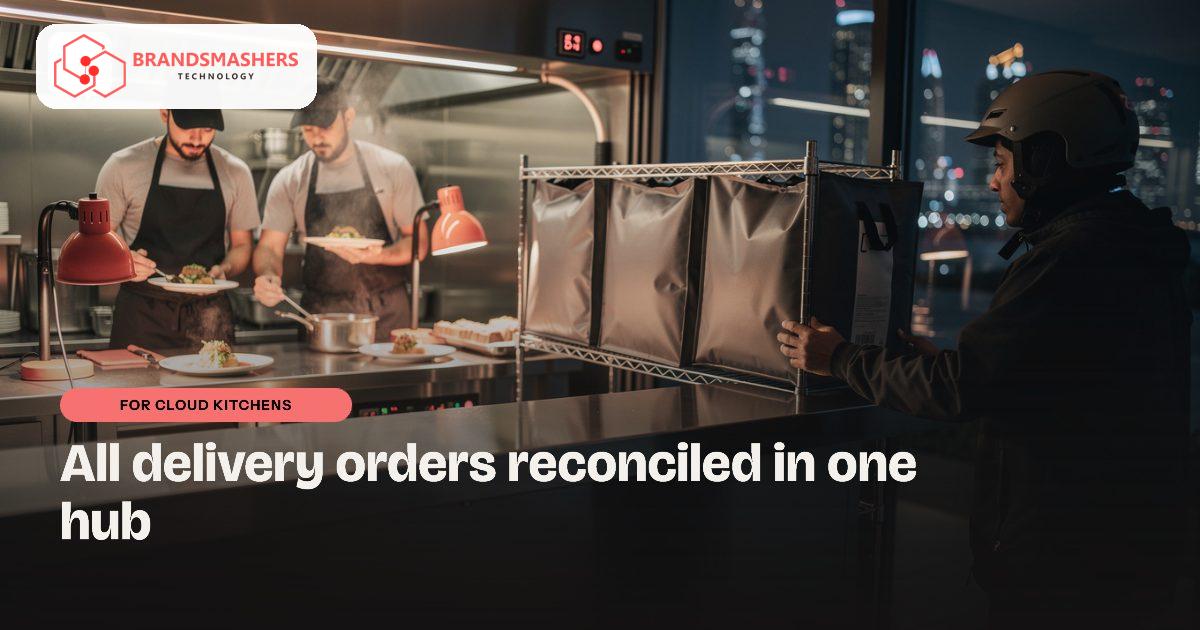
Your kitchen in Dubai sells through several delivery apps plus WhatsApp orders, and each platform pays on its own schedule with its own deductions. At month end, the payout is lower than expected, but finding out why means opening long statements side by side. Most kitchens write the difference off.
01.Who this is for
This is for UAE cloud kitchens, for example a delivery-only kitchen in Dubai running one or several virtual brands. You have outgrown the current method if orders land on several tablets plus WhatsApp, and the kitchen team copies between them by hand. Each delivery app deducts commission, delivery fees, promotion costs and adjustments in its own format. At month end the payout is lower than expected, opening statements side by side takes hours, and the difference usually gets written off rather than raised with the platform.
02.Why the problem happens
Cloud kitchens depend on aggregators for almost all orders. Each charges commission, delivery fees, promotion costs and sometimes adjustments, and each formats statements differently. Cancelled orders, refunds and duplicate entries add to the confusion.
Meanwhile, orders land on several tablets, and the kitchen team juggles them manually. Stock is tracked loosely, so items run out while still showing as available online.
03.What a better system looks like
An order hub gathers orders from every platform and your own channels into one kitchen screen. It tracks status from received to dispatched and keeps a single record of each order, with the amount you expect to receive.
Reconciliation compares what each aggregator paid with what the hub shows you fulfilled. It lists missing orders, unexpected deductions and cancellations charged to you, with the evidence attached so you can raise a query with the platform.
Inventory ties each dish to ingredients, so the system warns you before a key item runs out. If you operate several virtual brands from one kitchen, the hub shows sales per brand. Reports should help your accountant in Zoho or Odoo, with 5% VAT shown clearly. Check current rules and e-invoicing dates with your adviser.
04.How an AI add-on helps
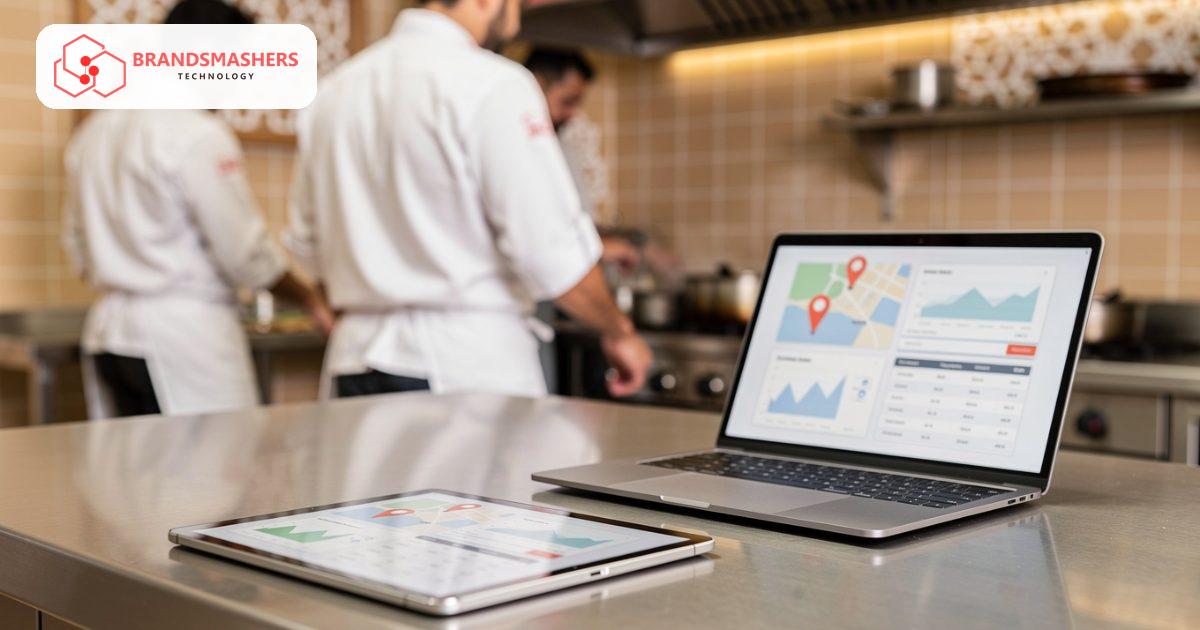
Menu analytics reviews which dishes sell best, which are returned most often and which earn the highest margin after platform charges. It can suggest dropping a slow item, bundling two popular ones, or pricing differently on different platforms. These are suggestions to test, since your chef and operations lead know the context.
05.What to check before buying any software
- Which delivery platforms and statement formats can it read?
- Does it explain differences line by line, or just show a total?
- Can it handle several brands in one kitchen?
- Does it work with your existing billing or accounting tool?
- Where is the data hosted, and can you export it?
06.How a first version comes together
For a UAE cloud kitchen, the first version joins orders, payouts and stock for the platforms you use most.
- 01We gather a recent month of orders and statements from each delivery app to see how their formats and deductions differ.
- 02We agree a first version with an order hub showing status from received to dispatched and the expected amount on every order.
- 03The kitchen uses the hub through normal service while we test reconciliation against one platform’s real statements.
- 04Further platforms and per-brand reporting are added once the first reconciliation produces queries your team agrees with.
- 05Menu analytics, including platform-by-platform pricing suggestions, comes once margins after charges are reliable.
07.Questions buyers ask
- Why use cloud kitchen software in the UAE for payout checks?
- Because each platform formats its statements differently and deductions are easy to miss. The software matches what each aggregator paid against what you fulfilled and lists the gaps with evidence. That turns a vague loss into specific queries you can raise. Over time, you can see which platform’s deductions most often need questioning.
- Can it read every delivery platform’s statements?
- Ask which platforms and formats are supported today and how new ones are added. A custom system can be extended for each platform you sell on. Start with the platforms that carry most of your orders and add others afterwards. A good tool should also explain each difference line by line rather than showing a single total.
- Does it show VAT clearly for our accountant?
- Yes. Reports are prepared for your accountant in Zoho, Odoo or your current tool, with VAT shown clearly. Check current rules and e-invoicing dates with your adviser so the reports follow what applies to your kitchen. Per-brand reports can go to your accountant in the same format each month.
- Who decides on menu changes the AI suggests?
- Your chef and operations lead do. Menu analytics may suggest dropping a slow dish, bundling popular ones or changing prices on one platform. Treat each idea as something to test, because your team knows context the data cannot see. The suggestions are a starting point for a trial, not an instruction to change the menu.
Next step: Tell Brandsmashers which platforms you sell on and how you check payouts now. We can discuss a system built for that setup. Reach us at brandsmashers.com/contact.
NEXT STEP
Need help with this?
KEEP READING
More from the blog.
- FOR RESTAURANT GROUPS

Restaurant Group Software in the UAE: Outlet Dashboards, Stock and Recipe Costs
READ ARTICLE - FOR HOTELS

Hotel Direct Booking and Housekeeping Software for UAE Hotels
READ ARTICLE - FOR RESTAURANT GROUPS
Restaurant Group Software: See Every Outlet’s Sales and Stock in One View
READ ARTICLE