
Restaurant Group Software in the UAE: Outlet Dashboards, Stock and Recipe Costs
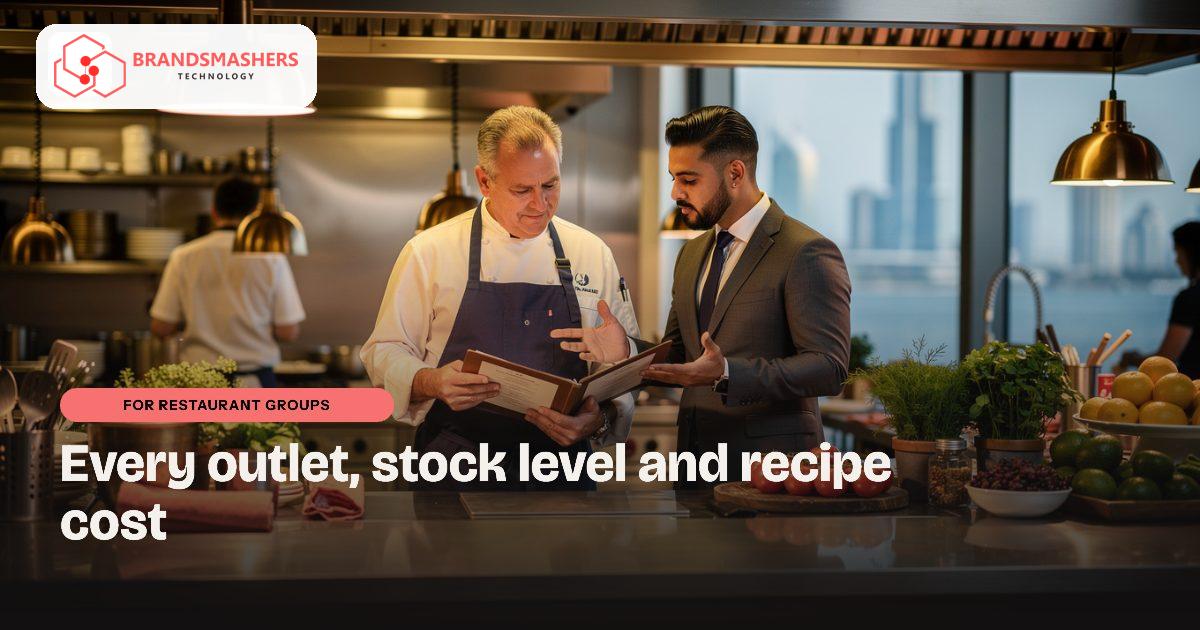
You run restaurants in Dubai, Abu Dhabi and maybe a food hall or two, and each manager reports in a different way. Sales are clear, but food cost per dish is not, and waste surfaces only when the monthly stock take comes round. By then, the money is gone.
01.Who this is for
This is for UAE restaurant groups running outlets in Dubai, Abu Dhabi and sometimes food halls, often with a mix of dine-in, delivery and catering. You have outgrown emailed sheets and chat reports when each manager sends figures differently and margin per dish is still a guess. Supplier prices, both imported and local, move week to week, yet recipe costs stay where they were. Waste turns up only at the monthly stock take, and profit by channel remains unclear even though sales numbers look healthy.
02.Why the problem happens
Each outlet often has its own point-of-sale, its own suppliers and its own counting routine. Head office combines figures from emailed sheets or chat messages. Ingredient prices move, but recipe costs in the menu are rarely updated, so margin per dish is a guess.
Groups with a mix of dine-in, delivery and catering also struggle to see profit by channel. And importing and local supplier prices vary week to week.
03.What a better system looks like
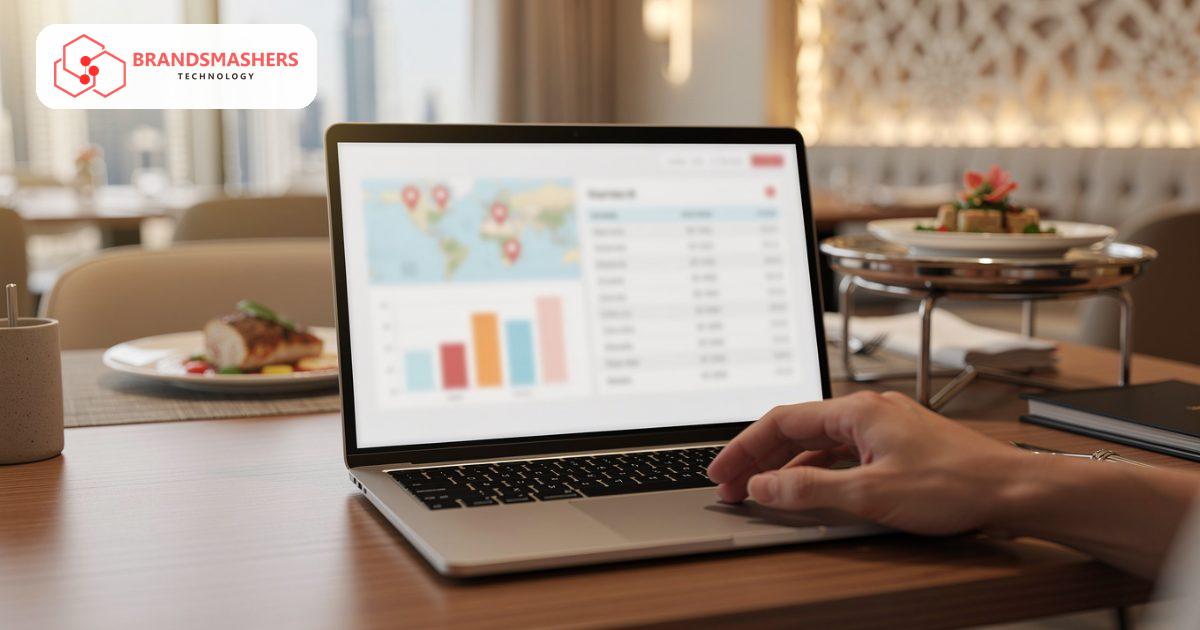
A central dashboard collects daily sales from every outlet’s point-of-sale into one screen: by outlet, by category, by hour and by period. It sits on top of your existing tills rather than replacing them.
Inventory tracks purchases, usage, transfers between outlets and waste, using counts that kitchen staff can complete on a phone. Recipe costing links each dish to its ingredients at current prices, so a change in the price of an ingredient shows up in dish margin immediately.
Purchase invoices and sales reports should come out in a form your accountant can use in Zoho, Odoo or your existing tool, with 5% VAT shown clearly. As e-invoicing is rolled out in phases with dates in 2026 and 2027, check current rules and dates with your adviser. Arabic and English menus and screens help mixed teams.
04.How an AI add-on helps
A demand forecast looks at past sales by outlet, day and daypart, and adjusts for events and seasons you record, such as Ramadan, school holidays or major Dubai events. It suggests how much to prepare and order. Chefs and managers compare it with their own view, and the forecast improves as more data is added.
05.What to check before buying any software
- Does it connect to your current point-of-sale systems?
- Can you add or close an outlet without a rebuild?
- Can managers see their own outlet while owners see all?
- How quickly can recipe costs be updated?
- Where is the data hosted, and who owns it?
06.How a first version comes together
For a UAE restaurant group, the first version sits on top of your existing tills and builds out from sales.
- 01We review how each outlet’s point-of-sale, suppliers and counting routine work, including transfers between outlets.
- 02We agree a first version with a central dashboard by outlet, category, hour and period, drawing from the tills you already have.
- 03Inventory and recipe costing are tested with one kitchen team on phones, in Arabic and English, using current supplier prices.
- 04More outlets are added once the pilot numbers match, with owners seeing the whole group and managers their own outlet.
- 05Demand forecasting comes later, after seasons and events such as Ramadan and school holidays have been recorded in the data.
07.Questions buyers ask
- What should restaurant group management software in the UAE include?
- It should include a central sales dashboard, inventory with transfers and waste, and recipe costing at current prices. Together they show margin per dish and per outlet. Without recipe costing, you see sales but not profit. You can also see profit by channel, which matters when dine-in, delivery and catering share a kitchen.
- Will it work with our current point-of-sale?
- It is designed to sit on top of your existing tills rather than replace them. Confirm early that each outlet’s point-of-sale can share its data. If one cannot, that outlet may need a simple export step at first. The dashboard can then report by outlet, category, hour and period without manual merging.
- How does it handle VAT and e-invoicing?
- Purchase invoices and sales reports come out in a form your accountant can use in Zoho, Odoo or your existing tool, with VAT shown clearly. E-invoicing is being rolled out in phases, so check current rules and dates with your adviser. Arabic and English screens help mixed teams in the kitchen and at head office use the same reports.
- Who owns the data?
- Ask that question of any vendor and get the answer in writing. You should be able to export your sales, stock and recipe data whenever you want. Also confirm where it is hosted before you sign. Make sure you can add or close an outlet without a rebuild and without losing earlier data.
Next step: Tell Brandsmashers how your outlets report today, and we can discuss a dashboard and stock system that fits your group. Contact us at brandsmashers.com/contact.
NEXT STEP
Need help with this?
KEEP READING
More from the blog.
- FOR CLOUD KITCHENS
Cloud Kitchen Software in the UAE: Order Hub and Aggregator Reconciliation
READ ARTICLE - FOR CLOUD KITCHENS
Cloud Kitchen Software: Reconcile Aggregator Payouts Without the Spreadsheet Fight
READ ARTICLE - FOR HOTELS

Hotel Direct Booking and Housekeeping Software for UAE Hotels
READ ARTICLE