Rent Billing and Stock Records for Cold Storage and Warehouses
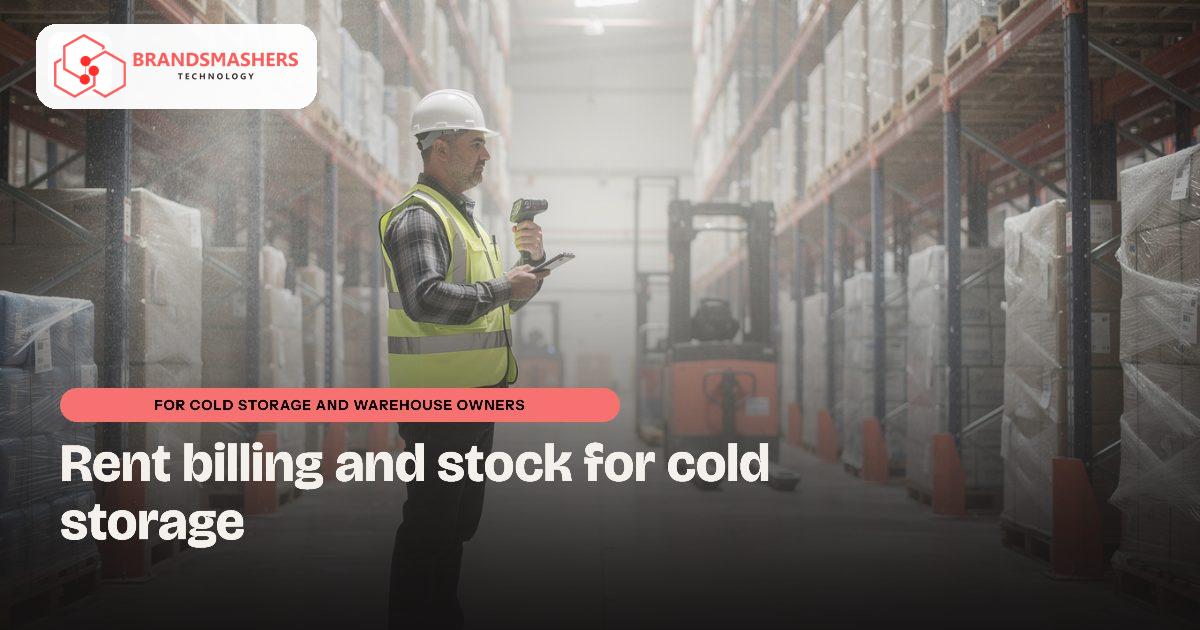
A customer asks for a statement of what you are holding for them in your warehouse, and what they owe in storage charges. If the answer must be pieced together from inward slips, outward slips and a billing sheet, it takes time, and mistakes cost you money or goodwill.
01.Who this is for
Warehouse and cold store operators in areas such as Jebel Ali, Al Quoz, Sharjah and Abu Dhabi, serving many clients with different goods, pallet counts and charging terms, are who this is for. The signs are customer statements pieced together from inward slips, outward slips and a billing sheet, charges that do not match what was actually stored, and uncertainty about free space in each zone. If billing free zone and mainland customers differently relies on memory, the records have outgrown spreadsheets.
02.Why storage records become unreliable
Warehouses and cold stores in Jebel Ali, Al Quoz, Sharjah and Abu Dhabi often serve many clients with different goods, pallet counts and charging terms. Goods come in over several days, leave in part loads, and charges depend on duration, space, handling and temperature zone. Doing this by hand across many clients invites errors.
Billing is the pressure point. Charges in AED with 5% VAT where it applies must match what was actually stored, and customers expect clear, itemised invoices. Whether VAT applies to a given service is something to check with your adviser.
03.What a better system looks like
Treat each customer’s stock as a record with a full history.
- Customer and stock records with location, quantity, batch, expiry and temperature zone.
- Inward entry with receipts and condition notes, and outward entry with partial deliveries.
- Charges calculated from your own rate rules, with running dues per customer.
- Itemised invoices and statements, passed to your accounting tool such as Zoho or Odoo.
- Space and occupancy views by chamber, zone or rack.
- Customer statements in English and Arabic where needed.
Free zone and mainland customers may be billed differently. The system should let you set that up, with your adviser’s guidance. E-invoicing is being rolled out in phases in 2026 and 2027, so check current dates.

04.How an AI add-on helps
An occupancy forecast uses your past usage, customer commitments and seasonal patterns to estimate how full your space may be in the coming weeks. It helps you decide when to offer space or hold capacity. It is an estimate drawn from your own records, so with limited history it should be treated with care.
05.What to check before buying any software
- Can it model your charging rules, including minimum periods and handling fees?
- Does it keep full traceability from inward to outward, by batch and customer?
- Can it support temperature-sensitive stock and expiry tracking if you need them?
- Where is data hosted, and can it stay in the UAE if customers require it?
- Can you export all data and adjust the system as your business grows?
06.How a first version comes together
For a UAE warehouse, the first version links every customer's stock to the charges it creates.
- 01Trace one customer's goods from inward to part outward to invoice with the warehouse supervisor and billing team.
- 02Agree first screens for customer stock by location, batch, expiry and temperature zone, with inward receipts and condition notes.
- 03Test outward entries and partial deliveries on real customer stock, checking balances against the current slips.
- 04Add charges from your own rate rules, including minimum periods and handling fees, with itemised invoices passed to Zoho or Odoo.
- 05Introduce the occupancy forecast once usage history and customer commitments are recorded, and treat early estimates with care.
07.Questions buyers ask
- What should warehouse management software in the UAE include for third-party storage?
- It should hold each customer's stock with location, batch, expiry and temperature zone, record inward and outward movements including part loads, and calculate charges from your own rules. Itemised invoices, customer statements in English and Arabic where needed, and occupancy views by zone complete the core.
- Can it bill free zone and mainland customers differently?
- It can be set up to, with your adviser's guidance on how each type of customer should be treated. The rules are configured per customer, so invoices follow them consistently. Whether VAT applies to a given service is also something to confirm with your adviser before the billing rules are finalised.
- Does it support temperature-sensitive stock and expiry tracking?
- Yes, if you need it. Stock can be recorded by temperature zone with batch and expiry details, so staff can see which goods are close to expiry and where they sit. This also makes customer statements clearer, because each line shows exactly what is held and under which conditions.
- How do we get started and get a quote?
- Start with a conversation about your workflow through the contact page on brandsmashers.com. Brandsmashers works with UAE businesses remotely and begins with a small first version, so the quote reflects what you actually need. Ask about hosting and data export at the same time, since both shape the build.
Next step: If stock records and storage billing still live in slips and sheets, talk to Brandsmashers about your workflow and we can explore a system shaped around your facility: brandsmashers.com/contact
NEXT STEP
Need help with this?
KEEP READING