
Waste and Recycling Software: Track Pickups, Weights and Payments
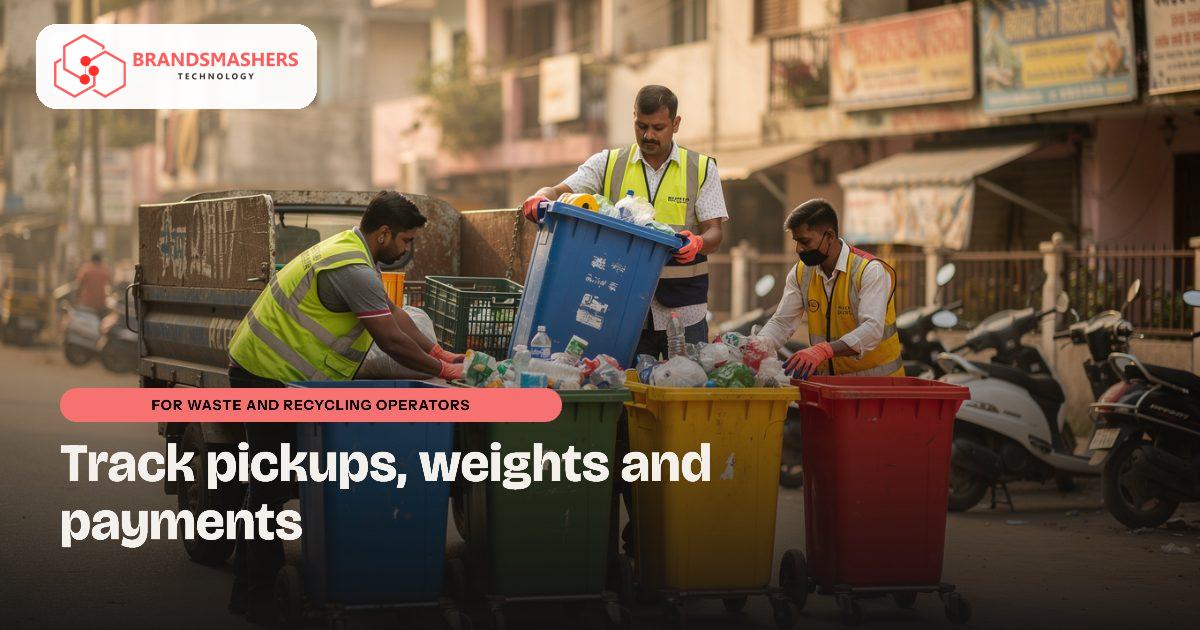
A scrap or recycling operator can have trucks on the road, weighbridge slips in a drawer and a payment list in someone’s phone. At month end, nobody can say with confidence what was collected, what was paid and what is still owed.
01.Who this is for
This is for scrap dealers, recyclers and waste operators around Bhopal and Indore serving factories, housing societies and institutions. You have outgrown paper slips when drivers' quantities never quite match the weighbridge, when payments are recorded days after a pickup, and when month-end brings disputes over weight, rate and amount. If the payment list sits in one person's phone, and nobody can say confidently what was collected and what is still owed, an integrated system will bring order.
02.Why it happens
Pickups are arranged by phone. Drivers note quantities on paper. The weighbridge produces its own slip, and the figures do not always match the driver’s note. Payments to suppliers or from corporate clients are recorded later, sometimes days after the event.
For operators around Bhopal and Indore serving factories, societies and institutions, the mismatch between weight, rate and amount creates disputes and slow payments.
03.What a better system looks like
A system built for this trade connects field, weighbridge and accounts:
- Pickup schedule by client, area and vehicle
- Driver app showing the day’s route and capturing material type and photos
- Weighbridge entries tied to each pickup, with gross, tare and net weight
- Rate cards by material and client, with automatic amounts
- Invoices with GST where applicable, and payment status
- Records that help with the paperwork some clients or authorities request
Rules for waste handling and records vary by material and location, so check current requirements with your adviser or the relevant authority. The software can organise your records but does not decide compliance.
Think about disputes before they happen. When each pickup carries a photo, a weight and a time, a client query can be answered in minutes rather than argued over for days, and your drivers have a clear record to point to.
04.How an AI add-on helps
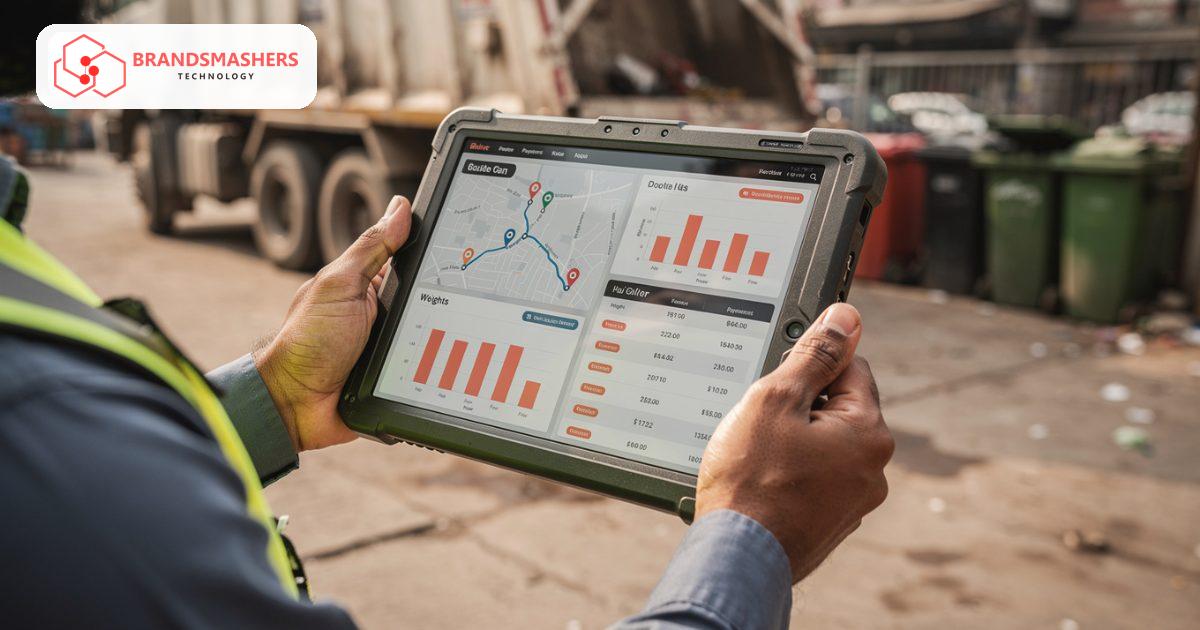
Route optimisation takes the day’s pickups, vehicle capacity and location, then suggests an order of stops that cuts back-and-forth driving. Dispatch can accept it or change it for reasons only a person knows, such as a locked gate at a certain hour or a priority client.
05.What to check before buying any software
- Can it read data from your weighbridge, or will staff retype figures?
- Does the driver app work with patchy mobile signal?
- Can you handle different rates for different clients and materials?
- Can mismatches between driver and weighbridge figures be flagged?
- Can you take your data with you if you change systems?
Test with a week of your real pickups, including the awkward ones.
06.How a first version comes together
For a recycling operator, a first version ties each pickup to its weight and its payment.
- 01We ride along with a driver and sit at the weighbridge to see how pickups, slips and payments are recorded now.
- 02We agree a first version with a pickup schedule, weighbridge entries showing gross, tare and net, and client rate cards.
- 03Drivers test the phone app on real routes, including patches with poor signal, capturing material type and photos.
- 04Automatic amounts, GST invoices where applicable, payment status and mismatch flags are added once entries are reliable.
- 05Route optimisation is introduced next, with dispatch accepting or changing the suggested order of stops.
07.Questions buyers ask
- What should waste management software in India connect?
- It should connect the field, the weighbridge and the accounts. Each pickup links to a client, a vehicle, a weighbridge entry and a rate card, so the amount is calculated automatically. Invoices and payment status then follow from the same record, which cuts month-end disputes. Photos and times on each pickup also give drivers a clear record to point to if a client questions a load.
- Can it read figures directly from our weighbridge?
- It depends on your weighbridge, so we check before promising. Where a connection is possible, figures flow in without retyping. Where it is not, staff enter them once and the system flags any mismatch with the driver's note. Either way, each weight is entered only once and stays tied to its pickup, client and rate card from then on.
- Will the driver app work with patchy signal?
- It should, because drivers often work where coverage is weak. We plan how the app records pickups during poor signal and syncs them later. Your drivers test it on real routes before rollout, so problems show up early. Pickups recorded offline keep their photos, weights and times, so the office sees a complete record once the driver reconnects.
- Does the software make sure we are compliant?
- No. Rules for waste handling and records vary by material and location, so check current requirements with your adviser or the relevant authority. The software organises your records clearly. It does not decide compliance. Keeping records tidy does make it easier to answer the paperwork some clients or authorities request, when they ask for it.
Next step: If your pickups, weights and payments never quite agree, tell us about your operation and we can talk through a custom system. Get in touch at brandsmashers.com/contact.
NEXT STEP
Need help with this?
KEEP READING
More from the blog.
- FOR CINEMAS AND ENTERTAINMENT VENUES

Cinema Ticketing and POS Software: Sell Seats and Snacks in One Flow
READ ARTICLE - FOR FRANCHISE NETWORKS

Franchise Reporting Dashboard: One View of Every Outlet and Royalty
READ ARTICLE - FOR CINEMAS AND ENTERTAINMENT VENUES

Cinema and Venue Ticketing Software UAE: Join Tickets and Food Sales
READ ARTICLE