
Fix machines before they fail.
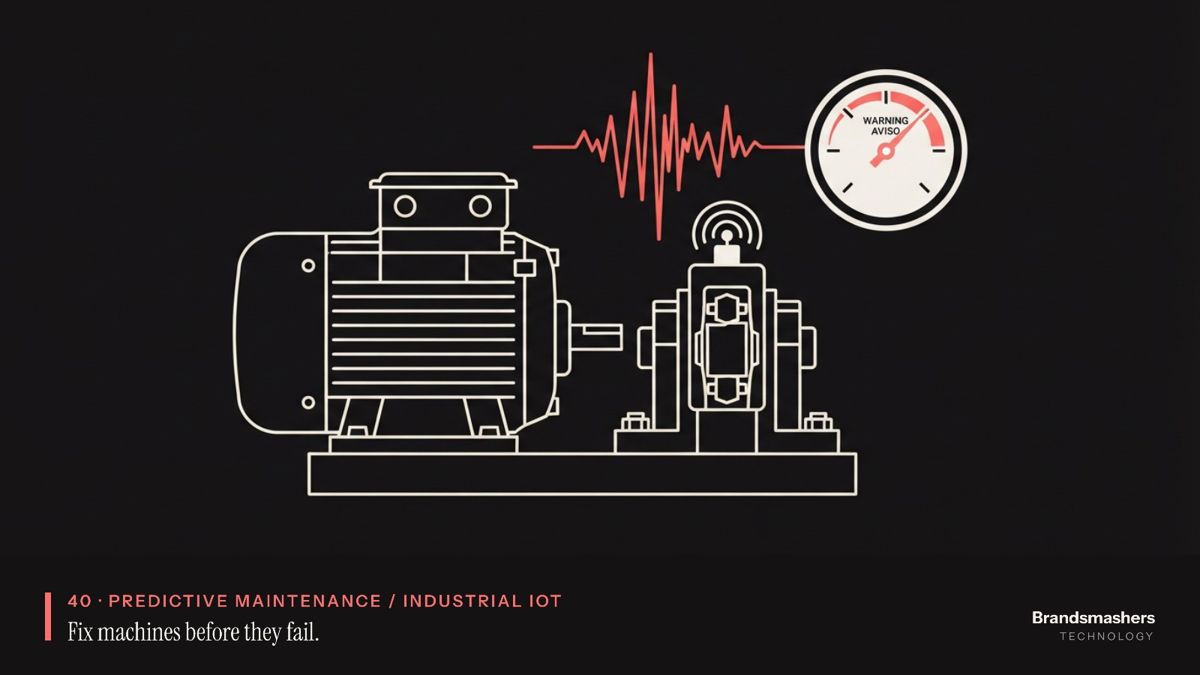
Sensors, data pipelines and models that turn machine signals into early warnings and maintenance plans.
- 48–72 HOURS
- TOP 3% ENGINEERS
- 100% REPLACEMENT
What we do.
Sensor selection and installation planning,
matched to the failures you actually suffer, with mounting, power and network checked on site.
Data pipelines from machines to cloud or edge,
with buffering for dropped connections and clock handling that keeps readings in order.
Anomaly detection and failure prediction,
starting with baselines and trend rules, then models where the data supports them.
Maintenance dashboards and work-order integration,
so a warning becomes a planned job in your maintenance system.
Secure device management,
covering device identity, updates, access control and monitoring of the fleet.
Who this is for.
A manufacturer with a few critical machines whose breakdowns stop a whole line.
A maintenance head tired of emergency repairs and fixed-interval servicing that misses faults.
A plant manager who needs a clear business case before spending on sensors.
An operations team with machine data in controllers or historians that nobody uses.
A company with several sites that wants one view of machine health.
How we work.
We begin with the failure history. Which machines stop the line, how often and what broke? From that we pick the signals worth capturing. We pilot on a small set of machines, collect data, set baselines with your maintenance team and tune alerts until they are trusted. Only then do we widen. We build in short cycles and show real data on a real dashboard early, because maintenance staff will tell you quickly if an alert is useless.
What you get.
A failure and criticality review that ranks machines by cost of downtime.
A sensor and network plan, with a bill of materials and installation notes.
A working data pipeline with monitoring and documentation.
Baselines, alert rules and, where justified, anomaly or prediction models.
A machine-health dashboard and work-order integration.
A device security and update plan, plus training for your maintenance team.
- Top 3% of applicants
- Start in 48–72 hours
- Dedicated account manager
- 100% replacement guarantee
Typical timeline.
Hardware lead times and plant access are the usual causes of delay. We plan around them early.
- 01
Weeks 1 to 3
failure review, signal selection and site survey.
- 02
Weeks 4 to 8
sensor installation, pipeline and first data on a pilot set.
- 03
Weeks 9 to 14
baselines, alert tuning, dashboard and work-order link.
- 04
Weeks 15 to 20
wider rollout, model refinement and handover.
Proof
Unplanned downtime down 30% in 6 months across 40 factory machines. A bearing issue flagged about 3 weeks ahead and replaced in planned downtime, avoiding an estimated 2 days of line stoppage.
No. Many useful warnings come from baselines and trends, such as rising vibration or temperature. Models come later, once you have recorded enough normal and abnormal behaviour.
Related work and reading.
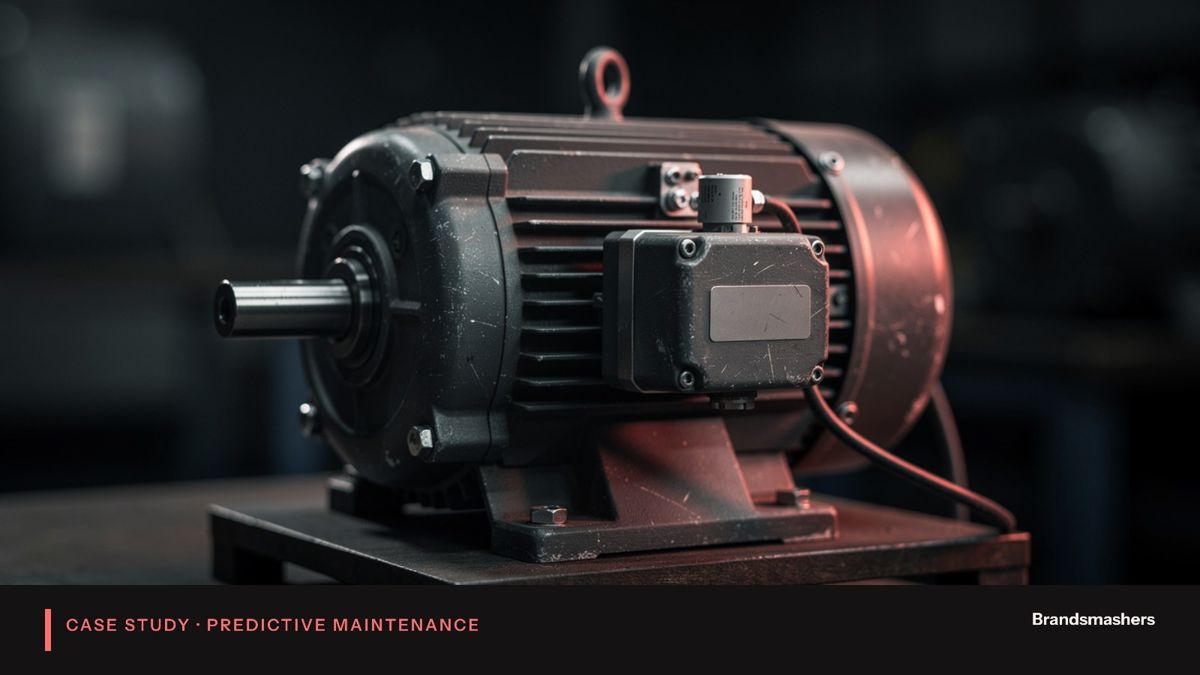 Case studyPredictive maintenance sensors across 40 factory machinesRead the story
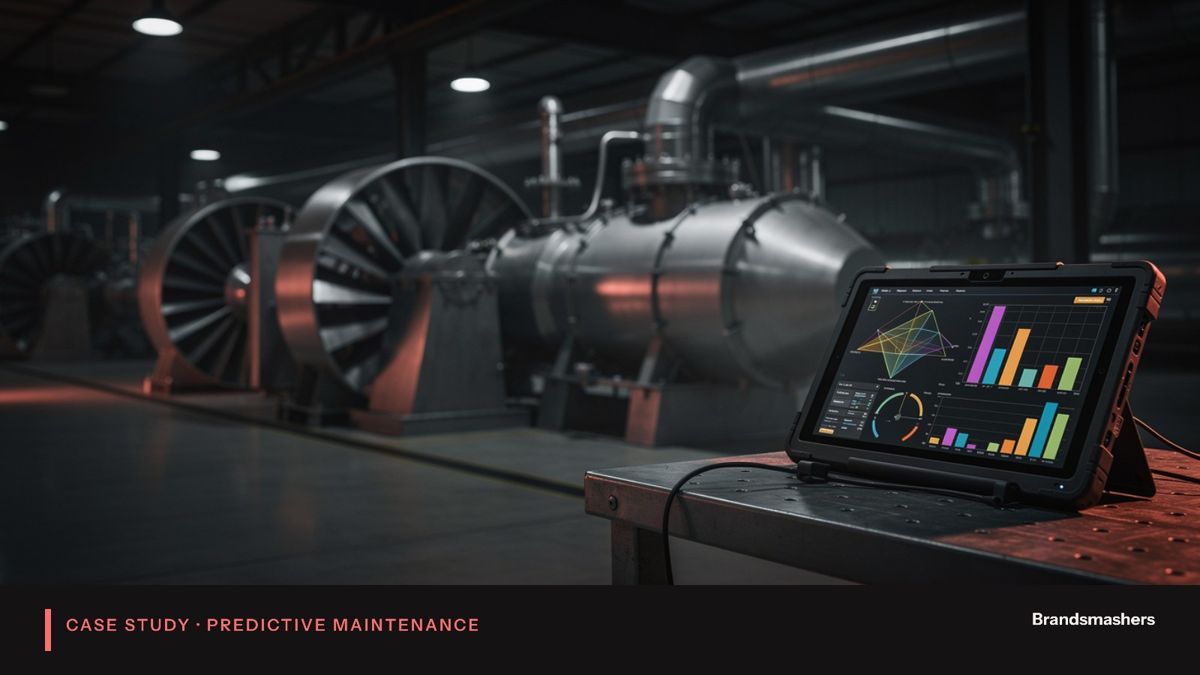 Case studyBuilding an IIoT dashboard that flagged a failure 3 weeks before it happenedRead the story
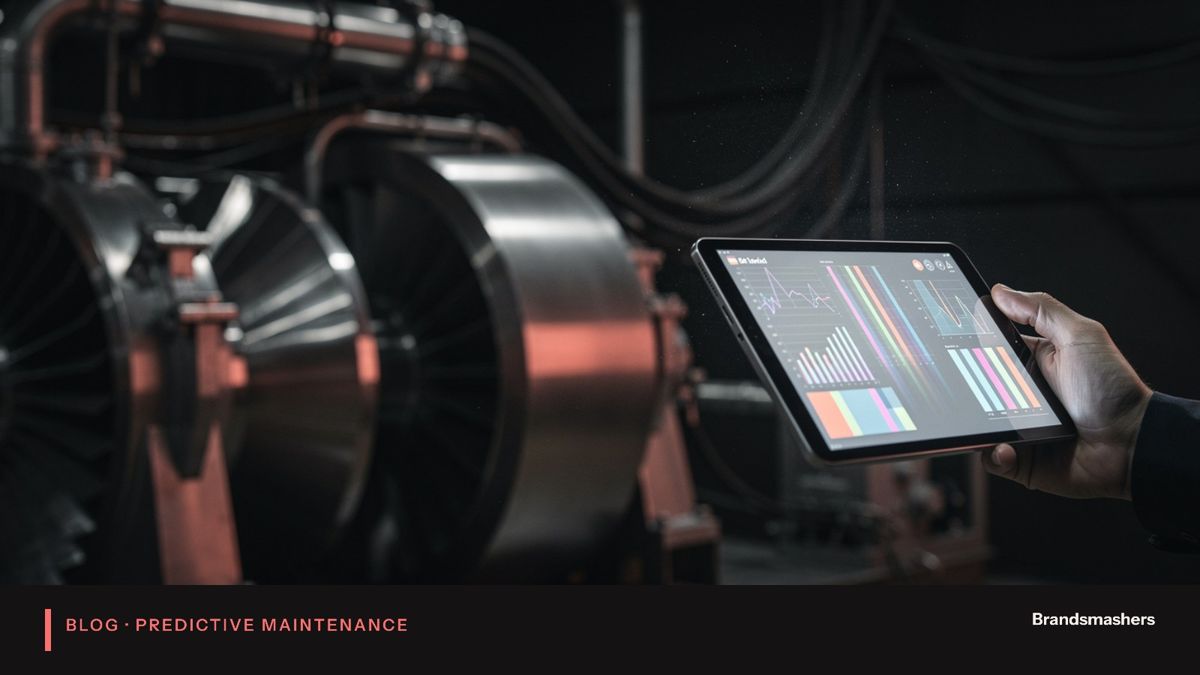 ArticleIIoT explained: what it actually takes to get sensor data working for youRead the article
 ArticlePredictive maintenance ROI: what the math actually looks likeRead the article
LET'S TALK. Start now.
Tell us what you're building. We'll come back with a plan and matched, pre-vetted engineers.
CONTACT